





Imagine turning on your faucet only to get discolored water, or perhaps finding a damp spot on your ceiling from a hidden leak. Old pipes made of traditional materials like copper or galvanized steel often cause these problems. They can rust, corrode, or clog up with minerals over time. These issues lead to annoying repairs, wasted water, and even health worries.
That’s where Polypropylene Random Copolymer, or PPR pipes, come in. These modern pipes offer a fresh, long-lasting fix for many plumbing problems. They are quickly becoming a top choice for homes and businesses around the world. PPR pipes bring many core benefits that truly set them apart from older options.
This article will show you the main benefits of PPR pipes. We will explore why they are fundamentally changing how we build and maintain plumbing systems.
The Traditional Plumbing Landscape: Challenges and Limitations
The Reign of Metal and PVC
For many years, metal and PVC ruled the plumbing world. Copper, galvanized steel, and PVC were common choices. While they served their purpose, these materials came with notable drawbacks. Understanding these issues helps us see why new solutions like PPR were needed.
Corrosion and Contamination Concerns with Metal Pipes
Metal pipes, especially older ones, face big problems. Rust is a common enemy of galvanized steel, slowly eating away at the pipe walls. This rust can get into your drinking water, changing its taste and color. Lead leaching is another serious risk with very old pipes, posing major health hazards.
Iron contamination can also happen, making water unsuitable for many uses. These issues lead to billions of dollars in infrastructure replacement costs each year. Such problems highlight the need for safer, more durable materials.
Brittleness and Environmental Impact of PVC
PVC pipes, while cheaper than metal, have their own set of challenges. They can become brittle over time, especially when exposed to direct sunlight or extreme temperatures. This brittleness makes them prone to cracking and breaking. Think about older PVC lines that have failed in harsh climates, causing unexpected water damage.
Their production and disposal also raise environmental concerns. Chemicals used in making PVC can impact ecosystems. Finding an eco-friendlier option became a major goal for many in the construction industry.
The Cost of Inefficiency and Maintenance
Old plumbing systems often become money pits. They require ongoing attention and frequent fixes. This adds a lot to a building’s overall running costs.
Frequent Repairs and Replacements
Leaks, blockages, and bursts are common with traditional pipes. Fixing these problems means constant spending on plumbers and new parts. Mineral buildup inside metal pipes also slows water flow and can cause expensive clogs. These recurring costs truly add up over the years.
Energy Loss Through Poor Insulation
Metal pipes are not great at keeping heat in. Hot water running through copper lines loses warmth quickly, especially in unheated spaces. This heat loss forces your water heater to work harder. The result? Higher energy bills for heating water, which costs you money every single day.
Introducing PPR Pipes: The Modern Plumbing Revolution
Understanding PPR: Properties and Composition
PPR pipes offer a clear step forward in plumbing technology. Their unique material science gives them powerful advantages over old materials. What makes them so special? It starts with their core makeup.
What is Polypropylene Random Copolymer?
PPR stands for Polypropylene Random Copolymer. This means different polypropylene types are randomly linked together. This special mix makes the material very flexible, yet incredibly strong. It also gives PPR excellent chemical resistance. This “random copolymer” aspect is key to its great performance.
Key Material Advantages
PPR pipes have many top-tier features. They handle high temperatures very well, perfect for hot water systems. They are also incredibly inert to chemicals, meaning they won’t react with most liquids. PPR resists UV light damage, unlike PVC, and stands up to wear and tear. These pipes don’t corrode, rust, or scale up, keeping your water pure.
Unpacking the Superior Performance of PPR
Homeowners and plumbers see the benefits of PPR every day. These pipes simply perform better in many important ways. They offer peace of mind and long-lasting value.
Unmatched Durability and Longevity
PPR pipes are built to last a very long time. You can expect them to perform well for 50 years or even more. This is a much longer lifespan compared to many traditional pipe materials. As one plumbing engineer put it, “PPR’s molecular structure offers amazing resistance. We expect these systems to easily outlast older metal pipes.” This durability means fewer worries about future pipe failures.
Health and Water Quality Benefits
Your health is important, and PPR pipes help protect it. They are non-toxic, so no harmful chemicals can leach into your drinking water. Because PPR does not corrode, your water stays free of rust and metallic tastes. Their smooth inner walls prevent mineral buildup, also known as scaling. This ensures your water stays clean and flows freely.
Energy Efficiency and Heat Retention
PPR pipes are natural insulators. They do a great job of keeping hot water hot as it travels through your system. This means less heat escapes from the pipes. Your water heater doesn’t need to work as hard, which directly translates to lower energy use and cheaper utility bills.
The Installation and Application Advantages of PPR
Simplified and Secure Installation Process
PPR pipes make a plumber’s job easier and faster. This also means less hassle and quicker project completion for homeowners. Their installation method is both clever and very effective.
Fusion Welding Technology
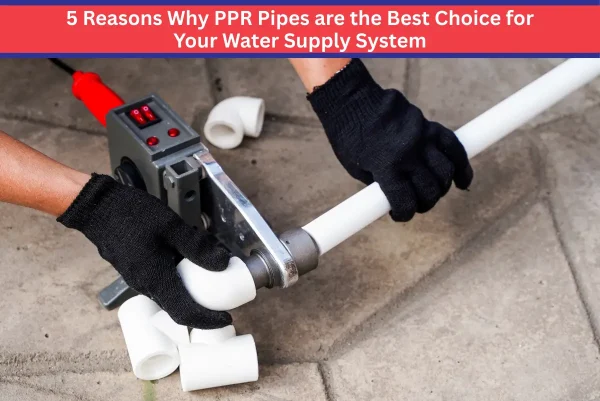
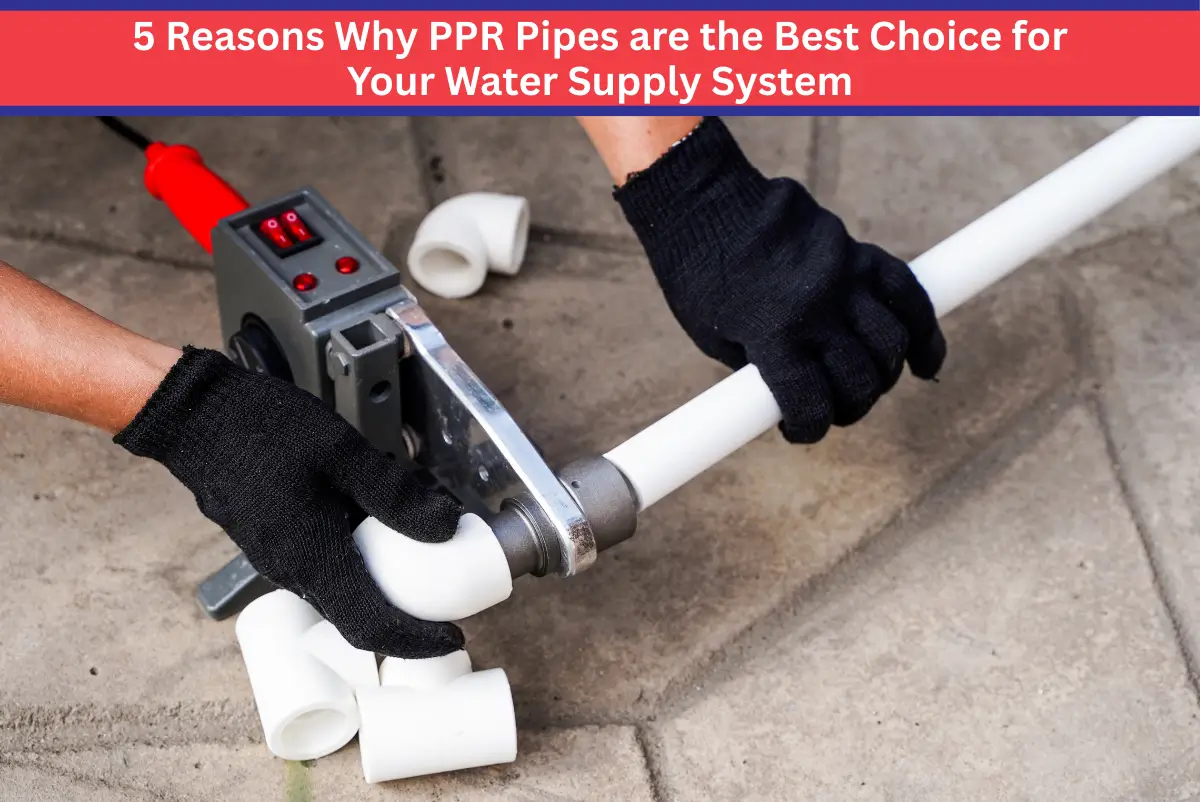
PPR pipes connect using a special process called heat fusion. This method melts the pipe and fitting ends together, creating a single, solid piece. The result is an incredibly strong, leak-proof joint that won’t come apart. There’s no need for glues, solvents, or complicated threading like with metal pipes. Installers just need to ensure proper heating time for the best bond.
Flexibility and Ease of Handling
PPR pipes are somewhat flexible. This makes them easier to route around obstacles in walls and ceilings. Their flexibility often means fewer fittings and bends are needed in a system. This speeds up installation and also reduces potential leak points. Plumbers find them much simpler to work with compared to rigid metal pipes.
Versatile Applications Across Different Systems
PPR pipes are not just for one type of use. Their great properties allow them to work well in many different systems. This versatility makes them a top choice for modern building projects.
Potable Water Supply (Hot and Cold)
Because PPR is non-toxic and doesn’t corrode, it is perfect for drinking water lines. It’s safe for both hot and cold water supply in homes, offices, and even hospitals. You can trust the water coming through PPR pipes.
Heating and Cooling Systems
PPR’s ability to handle high temperatures and retain heat makes it great for heating systems. It’s often used in central heating, radiant floor heating, and even some chilled water air conditioning setups. Its consistent performance in these areas is a big plus.
Industrial and Chemical Transport
Beyond homes, PPR pipes also find uses in industry. They resist many chemicals, making them suitable for transporting various industrial fluids. High-rise residential buildings and large commercial centers often use PPR for their water distribution systems due to its reliability.
Economic and Environmental Considerations
Long-Term Cost Savings
Choosing PPR pipes is a smart financial move over the life of a building. The initial investment pays off in many ways down the road. You save money through lower installation costs and reduced future bills.
Reduced Installation Labor Costs
The simple heat fusion process and the flexibility of PPR pipes cut down on installation time. This directly leads to lower labor costs for plumbers. Fewer fittings are needed, and the work goes faster, saving you money from the start.
Minimal Maintenance and Repair Expenses
Once installed, PPR systems are largely trouble-free. Their resistance to leaks, corrosion, and scaling means you won’t face constant repair bills. This significantly lowers your ongoing maintenance budget. Your plumbing system just works, quietly and efficiently.
Lower Energy Bills
Because PPR pipes keep hot water hot, your water heater uses less energy. This can lead to noticeable savings on your utility bills each month. Every degree of heat saved is money in your pocket, making PPR a truly efficient choice.
A Sustainable Plumbing Choice
In today’s world, everyone cares about protecting the planet. PPR pipes offer an environmentally friendly option for your plumbing needs. They stand out as a responsible choice for modern construction.
Recyclability and Lower Environmental Footprint
PPR is a thermoplastic, which means it can be recycled. Its production process is often more energy-efficient than that for some traditional metal pipes. Choosing PPR helps reduce the overall environmental impact of building materials. It’s a greener choice for your home or project.
Extended Lifespan Reduces Waste
The extreme durability of PPR pipes means they don’t need frequent replacement. A system that lasts 50 years or more creates much less waste over time. This long lifespan helps keep old pipes out of landfills, making PPR a more sustainable option for the long run.
Conclusion
PPR pipes truly offer a big step forward in plumbing. They bring amazing durability, ensuring your system lasts for decades. Your water stays clean and healthy thanks to their non-corrosive nature. These pipes also boost energy efficiency, saving you money on utility bills. Plus, their easy installation and sustainable qualities make them an all-around smart choice.
These combined advantages are indeed changing how we think about modern plumbing. They offer a reliable, cost-effective, and environmentally friendly solution. Consider PPR pipes for your next plumbing project. Discuss them with your plumber to make a forward-thinking investment in your home or building.