





Our Services
Comprehensive Solutions for Your Engineering Needs
— Our Services —
Our team is committed to quality and innovation, providing solutions that enhance efficiency and sustainability. We value strong relationships with our customers and are here to support you every step of the way.
Driven by passion and expertise, we continuously seek new ways to improve and adapt to the evolving needs of our clients. Together, we strive to build a future that’s smarter, greener, and more connected.
Chemical Industry
Sustainable PVC products with low oil dependency. Durable and resistant to a wide range of chemicals. Energy-efficient solutions that lower operational costs.
Why Choose Us
At Watsan Engineering, we pride ourselves on delivering exceptional value to our clients.
Our commitment to quality ensures that you receive reliable products tailored to your specific needs. We understand that every project is unique, and we strive to provide solutions that enhance your operations.
— Our Services —
Office & Factories
Discover Watsan Engineering Services’ state-of-the-art offices and factories, where innovation meets excellence. Precision-engineered solutions crafted to meet your needs with unmatched quality and expertise.
051-5537777
Office No A-323, Pirzada Market, City Saddar Road, Rawalpindi Pakistan
Head Office
Rawalpindi
051-6104060
Plot No. 3, Street No-W3, (RCCI)Rawat Industrial Estate, Rawalpindi
Factory-1
Rawalpindi
051-6104089
Plot No. 28, Street no-S2, (RCCI)Rawat Industrial Estate, Rawalpindi
Factory-2
Rawalpindi
0300-8007686
Industrial Estate BIE, Plot No. 2/19 & 20, Main Boulevard, Bhalwal Bhera Road, Bhalwal, Sargodha
Factory-3
Sargodha
Clients Love
Testimonial
Even the all-powerful Pointing has no control about the blind texts it is an almost unorthographic life One day however a small line of blind text by the name of Lorem Ipsum decided to leave for the far World of Grammar.
Our Core Projects
Our Latest News
Makes and Models
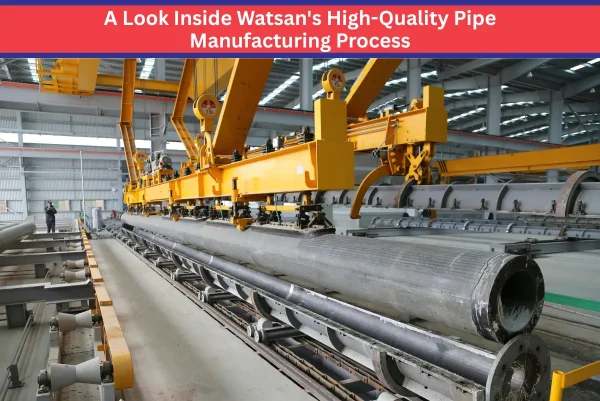
Engineering Excellence: A Look Inside Our Pipe Manufacturing Process
The pipe seems simple, but it is a vital part of many industries. It carries clean water to our homes and fuels manufacturing plants. Bad pipe quality means big problems and expensive fixes. Watsan leads the way in making pipes. This is not by luck. It comes from a careful and strict process. This process makes sure every pipe has amazing quality and lasts a long time. Here, we look closely at how Watsan works. We will show the new technologies, strict quality checks, and skilled work that make their pipes so good.
Knowing how pipes are made helps engineers and project managers. It is a process that needs perfect work. It demands good material science and a strong promise to be great at every step. Come with us to see what makes Watsan’s pipes special. We will follow the journey from picking raw materials to the final product. Every pipe meets or beats industry rules.
The Foundation of Quality: Raw Material Selection and Preparation
Watsan starts making good pipes long before any shaping begins. The first steps are very important. They set up the entire process for success. This focus on starting right helps Watsan make pipes that last.
Sourcing Premium Resins and Additives
Watsan checks suppliers with great care. This makes sure they buy only top-notch raw materials. They pick specific resins like PVC, HDPE, and PPR. Each resin brings special traits, like not reacting to chemicals, standing up to sun damage, or being flexible. Watsan makes sure these materials meet strict rules and hold important quality certificates. This check keeps bad stuff out of the pipe-making line.
Advanced Material Testing and Verification
Once materials arrive, they go straight to the lab. Here, Watsan runs many tests. They check how easily the plastic flows when melted. They also measure its weight and look at its chemical parts. These steps find any flaws early. This stops poor materials from ever becoming part of a Watsan pipe.
Precision Blending and Compounding
Watsan then mixes the resins with special additives. This mix is very exact. It gives the material the right traits for different pipe uses. For example, some pipes need to handle harsh chemicals. Others must bend without breaking. A smooth, even blend makes sure the whole pipe will be strong and consistent.
Cutting-Edge Extrusion Technology
The main way Watsan makes pipes is through extrusion. Here, Watsan uses the best machines. This helps them make pipes with great precision and the same high quality every time.
State-of-the-Art Extrusion Lines
Watsan uses modern extruders, some with one screw, others with two. These machines melt plastic pellets and push them into pipe shapes. Watsan buys the newest equipment. This means they make more pipes faster. It also helps control how the plastic melts, leading to pipes with very even walls.
Die Design and Calibration for Dimensional Accuracy
The extrusion die is key to a pipe’s shape. Watsan uses smart die designs. They also have careful systems to make sure the die is set up just right. This uses tools like vacuum sizing. It helps them get the exact diameter, wall thickness, and roundness needed for each pipe. Even a tiny bit off can cause problems.
In-Line Quality Monitoring Systems
During pipe making, Watsan watches everything closely. Automated sensors constantly check the pipe. Lasers measure diameter and wall thickness. Ultrasonic tools look inside the pipe for any hidden issues. This constant checking finds problems right away, keeping quality high.
Reinforcement and Strength: Advanced Manufacturing Techniques
Watsan uses special ways to make pipes even stronger. This is for jobs where pipes need to handle a lot of stress. These methods help pipes work better and last longer.
For Pipes Requiring Enhanced Strength
Some pipes need to be extra strong, like those for high pressure or big structures. Watsan uses co-extrusion for these. This process adds layers, maybe a barrier against chemicals or a color for easy finding. They might also add strong materials, such as glass fibers or steel wire, right into the pipe’s makeup. This boosts the pipe’s ability to resist breaking or bending under pressure.
Specialized Coating and Surface Treatments
Watsan also puts special coatings or finishes on pipes. These treatments help pipes fight rust or wear from rubbing. They can also make the inside of a pipe smoother, so liquids flow better. For pipes buried underground or those facing harsh chemicals, these extra layers are very important. They add years to a pipe’s life.
Uncompromising Quality Control and Testing
Watsan promises great quality. They show this with very strict testing. These tests happen at every stage of making a pipe and on the finished product too.
Dimensional and Visual Inspections
Workers regularly check pipes for their straightness. They also look at the outside for any flaws. This includes searching for scratches, bumps, or layers coming apart. Making sure a pipe looks perfect and has the right size is a basic quality step.
Mechanical Property Testing
Finished pipes go through tough mechanical tests. Watsan pushes water into pipes to test how much pressure they can take before bursting. They also check how much a pipe can stretch or how well it can handle a hard hit. Ring stiffness tests measure how much a pipe resists being crushed. All these tests follow big industry rules like ASTM, ISO, and EN.
Chemical and Environmental Resistance Testing
Pipes must work well in different places. Watsan tests pipes to see if they can handle chemicals. They also check if sun rays will damage them or if soil will crack them. These tests ensure the pipes stand up to real-world conditions.
Traceability and Batch Control
Every Watsan pipe has a special mark. This mark lets them trace the pipe back to its starting materials and when it was made. This system is key. It helps Watsan find and fix any issues quickly. It also allows them to know exactly where every part came from.
Innovation and Sustainability in Pipe Manufacturing
Watsan always looks for better ways to make pipes. They also work hard to protect the planet. This focus helps them stay ahead in the industry.
Research and Development in Material Science
Watsan puts money into finding new materials for pipes. Their research aims to make pipes stronger, lighter, or even more earth-friendly. Sometimes, they team up with colleges and science groups to explore new ideas. This keeps their pipes at the top of the market.
Energy Efficiency in Production
Making pipes uses a lot of energy. Watsan tries to use less power during this process. They run machines in smart ways and reuse heat. They also handle materials with machines that save energy. These steps help the company be more efficient and green.
Waste Reduction and Recycling Initiatives
Watsan works to make less trash when making pipes. They have plans to recycle plastic scraps from their factory. If possible, they even use recycled stuff to make new pipes. This shows their strong care for the environment.
Conclusion: The Watsan Standard for Enduring Performance
Watsan makes great pipes because they care about every step. From choosing perfect raw materials to final tests, quality guides their work. They use smart machines and follow strict checks. This makes Watsan pipes known for being strong and lasting a long time.
Choosing Watsan pipes means you get dependable products for important projects. Their focus on new ideas and green practices makes them a smart choice. You can trust Watsan for pipes that perform well year after year.
Key Takeaways:
- Top-quality raw materials are picked and prepared carefully.
- Advanced extrusion techniques ensure precise pipe sizes.
- Extra steps make pipes stronger for tough jobs.
- Rigorous testing guarantees pipes meet high standards.
- Watsan invests in new ideas and helps the planet.
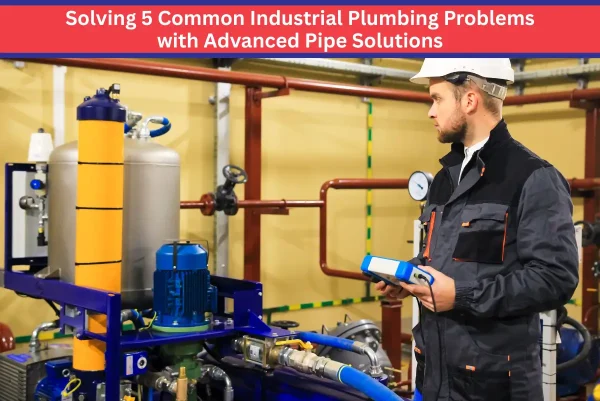
Solving 5 Common Industrial Plumbing Problems with Advanced Pipe Solutions
Industrial plumbing systems are the lifeblood of any facility. They keep everything running smoothly, from moving raw materials to managing waste. When these systems fail, it costs big money. We see production stops, safety risks, and huge repair bills.
The good news is that we have modern ways to fix these issues. These “advanced pipe solutions” are changing how industries handle common plumbing headaches. They offer stronger, longer-lasting fixes than old-school methods. This article will show you five big problems and how new pipe tech solves them.
Our goal here is to dig into five common industrial plumbing challenges. We want to show how smart pipe technologies and new ways of doing things provide tough, long-term answers. This helps keep your operations humming.
1. Corrosion and Material Degradation
Understanding the Scope of Corrosion in Industrial Settings
Corrosion slowly eats away at pipes in many industrial places. It can be electrochemical, where different metals react. We also see galvanic corrosion, often caused by certain fluid types. Microbiologically influenced corrosion, or MIC, happens when tiny organisms attack pipe materials. These issues speed up pipe decay. Carbon steel and cast iron pipes are often the first ones to show signs of trouble.
Advanced Materials for Corrosion Resistance
New materials offer much better protection against rust and wear. Stainless steel alloys fight off many corrosive chemicals. High-density polyethylene (HDPE) pipes are super resistant to chemicals and don’t rust. Polyvinylidene fluoride (PVDF) stands up to very harsh substances and high heat. Composite pipes mix materials to get the best of both worlds. They last longer because they naturally resist breakdown.
- Actionable Tip: Always check if pipe materials are right for your specific chemicals and environment. This simple step stops big problems later.
Protective Coatings and Linings
You can add special layers to pipes to boost their life. Epoxy, polyurethane, and ceramic coatings create a tough shield. Linings made from rubber or PTFE (Teflon) also work well. These layers protect pipes, even in very aggressive settings. They help existing pipes last much longer.
In the chemical processing world, for instance, advanced coatings cut down on big maintenance costs. This is all thanks to less corrosion. The same goes for wastewater treatment plants.
2. Leaks and Joint Failures
The High Cost of Industrial Leaks
Leaks in industrial settings are a drain on resources. They mean lost product, which directly hits your bottom line. Environmental harm is another big worry, alongside safety risks for workers. Plus, leaks make your utility bills jump. Roughly 10-15% of all treated water in industrial systems is lost due to leaks.
Advanced Joining Technologies
Modern ways of joining pipes create much stronger, tighter seals. Fusion welding, used for plastic pipes like HDPE, literally melts pipe ends together. This creates one solid piece. Metal pipes use new gasket and sealing tech that hold up better. Mechanical jointing systems are made to handle high pressure and lots of shaking. They keep things sealed where older methods fail.
Leak Detection and Prevention Strategies
Finding leaks fast saves a lot of trouble. Acoustic sensors listen for tiny drips and hisses. Thermal imaging spots temperature changes that signal escaping fluids. Tracer gas methods use safe gas to pinpoint hidden leaks. We also use regular checks to catch issues early. These proactive steps stop small leaks from becoming huge problems.
- Actionable Tip: Put regular, planned inspections in place. Use advanced non-destructive testing (NDT) methods to spot problems without harming your pipes.
3. Clogging and Flow Restriction
Causes of Blockages in Industrial Pipelines
Many things can block industrial pipes. Scale buildup, like hard water deposits, is a common culprit. Sediment, grease, and other debris also cause issues. Sometimes, byproducts from your process stick to pipe walls. When flow slows down, it wastes energy and cuts into production efficiency. Blockages can boost energy use for pumping by up to 20%.
Hydro-Jetting and Advanced Cleaning Techniques
High-pressure hydro-jetting blasts away stubborn blockages and scale. It uses powerful water streams to clean pipes without damaging them. This is a very effective way to clear pipes. Other advanced cleaning methods, such as robots that scrub the inside of pipes, also help. They can reach hard spots and remove tough buildup.
Smooth-Bore Pipe Materials and Design
Pipes with super smooth inner surfaces stop gunk from sticking. Certain plastics or coated metals are great for this. They naturally fight off scale and debris. This means fewer clogs later on. Designing pipes with the right size and layout also helps. It keeps liquids moving freely and cuts down on bottlenecks.
- Actionable Tip: When you plan new systems or upgrade old ones, double-check pipe sizes and how fast liquids will move. This helps avoid flow issues from the start.
4. Vibration and Noise Issues
The Impact of Vibration on Industrial Piping
Operational vibrations can really mess with your pipes. Constant shaking leads to pipe fatigue, making materials weak. It increases the chance of leaks, too. Lots of noise from vibrating pipes is bad for workers. It can also harm sensitive equipment nearby. This makes a quiet, stable workspace very important.
Vibration Dampening and Isolation Solutions
There are smart ways to control pipe vibrations. Flexible connectors absorb movement. Vibration isolation mounts and spring hangers lift pipes, stopping shaking from spreading. Acoustic insulation materials wrap around pipes to soak up noise and vibration. These parts make industrial systems much calmer.
Pipe Material Selection for Noise Reduction
Some pipe materials help keep things quiet. Certain plastics or pipes with rubberized linings naturally soak up sound. This means less noise travels through the system. “Controlling vibration is key for both safety and long equipment life,” states one piping expert. Choosing the right material really helps.
5. Extreme Temperature and Pressure Challenges
Handling Thermal Expansion and Contraction
Big changes in temperature put a lot of strain on piping. Pipes expand when hot and shrink when cold. This movement can stress joints. It might even make pipes buckle or components fail. You need systems that can handle these shifts safely.
Advanced Expansion Joints and Support Systems
Special parts are made to deal with thermal movement. Bellows expansion joints stretch and compress with the pipe. U-bends in pipe runs allow for natural expansion. Specialized pipe supports let pipes move freely while still holding them in place. These solutions keep pipes safe during temperature swings.
High-Pressure Pipe Design and Materials
Pipes used for very high pressures need special care. They often use seamless pipes or reinforced composite materials. These are made to be extra strong. It’s super important to follow strict industry rules for pressure ratings. This makes sure pipes can handle the force without breaking.
- Actionable Tip: Always do regular pressure testing. Check the integrity of any high-pressure systems. This prevents dangerous blowouts.
Conclusion
Old plumbing methods simply do not keep up with today’s industrial needs. Advanced pipe solutions offer a much better way. New materials, smart joining methods, strong cleaning tech, and vibration control directly solve the five common industrial problems we discussed.
Investing in these new solutions pays off in a big way. You get less downtime and lower maintenance bills. Your facility becomes safer, and everything runs smoother. It’s time to look into these advanced options for your industrial needs.
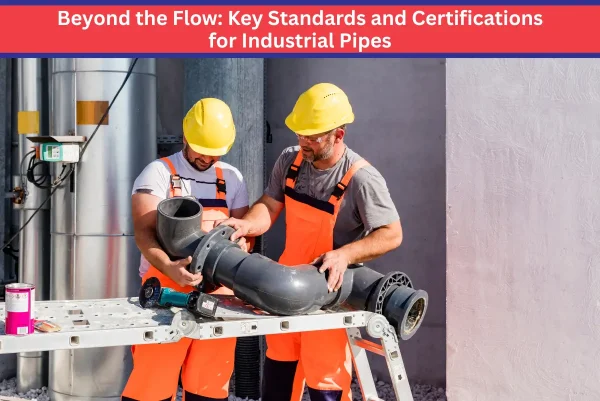
Beyond the Flow: Key Standards and Certifications for Industrial Pipes
Industrial pipes are the unsung heroes of countless sectors. They silently transport vital fluids, gases, and materials that power our modern world. From petrochemical refineries and food processing plants to water treatment facilities, the integrity of these piping systems is super important.
But, the huge job these pipes do calls for strict rules. These are not just annoying forms. They are the base for safety, good work, protecting the earth, and keeping products high quality. Ignoring these rules can cause big problems like fires, spills, and lots of money lost. This article looks at the main rules and papers for industrial pipes. It makes sure they work right and are safe, not just move stuff.
Section 1: Understanding the Landscape of Industrial Pipe Standards
Why Standards Matter: Safety, Performance, and Reliability
Adhering to specific industry standards for pipes is a must. These rules help everyone involved stay safe and ensure things run smoothly. Ignoring them brings many risks. Following them brings many benefits.
Preventing Catastrophic Failures and Ensuring Personnel Safety
Pipe failures can be very dangerous. They can lead to explosions, toxic leaks, or even structural collapses. These events put workers and the public at serious risk. For example, poor welds or weak materials cause many industrial accidents. Studies show that piping failures contribute to a significant portion of industrial incidents, sometimes over 20%. Standards make sure pipes are strong and built right to handle tough jobs, lowering these risks.
Guaranteeing Product Purity and Process Efficiency
Standards play a big role in what materials get used for pipes. This helps stop bad stuff from getting into products. Think about the food or medicine you use. For these items, purity is key. Standards prevent unwanted chemicals or bits from mixing in, keeping everything clean. They also help liquid flow smoothly, which makes factory lines run better and faster.
Meeting Regulatory and Legal Obligations
Not following pipe standards can get companies into deep trouble. They might face big fines, plant shutdowns, or even lawsuits. Government groups like the Environmental Protection Agency (EPA) or the American Society of Mechanical Engineers (ASME) stress that following the rules is not optional. It is a legal must. This protects companies from legal problems down the road.
Section 2: Key Standards Organizations and Their Impact
Global and Regional Standard Bodies Shaping the Industry
Many important groups create the rules for industrial pipes. These organizations make sure pipes are made well and work safely. Their guidelines are used around the globe.
ASME (American Society of Mechanical Engineers)
ASME sets many vital codes for pipes. For example, ASME B31.1 covers power piping, often seen in power plants. ASME B31.3 handles process piping, common in chemical factories. These codes give detailed rules on how to design, make, install, and test piping systems. They are widely used across North America and beyond.
API (American Petroleum Institute)
API is very important for the oil and gas business. API standards like API 5L tell us about line pipe, which moves oil and gas long distances. API 6D sets rules for pipeline valves. These standards help make sure pipes and parts in harsh oil fields are safe and dependable.
ASTM International (formerly American Society for Testing and Materials)
ASTM creates many material specifications. These are the basic recipes for the metals pipes are made from. ASTM A106, for instance, sets rules for seamless carbon steel pipe. ASTM A312 covers stainless steel pipe. These material standards are often the building blocks for ASME and API codes. They tell manufacturers exactly what their pipes should be made of.
ISO (International Organization for Standardization)
ISO standards are used everywhere. ISO 15156, for example, gives rules for materials used in places with H2S gas, which can be very corrosive. These global standards help ensure pipes made in one country will work safely in another. This makes trade and projects easier for everyone.
Section 3: Essential Certifications for Industrial Pipes
Beyond Standards: Verifying Compliance and Quality
Just having standards is not enough. You also need proof that a pipe meets those standards. Certifications are like official stamps of approval. They show a pipe was made right and checks out.
Material Certifications (Mill Test Reports – MTRs)
Mill Test Reports, or MTRs, are like a pipe’s birth certificate. They list the pipe’s chemical make-up and how strong it is. This report shows if the pipe meets ASTM or European (EN) standards. Always check these reports closely. They prove the metal is what it says it is and can do the job. Make sure every pipe you buy comes with one.
Manufacturer Certifications (ISO 9001, API Monogram)
Some certifications show a company makes good products all the time. ISO 9001 means a manufacturer has a solid system for quality control. The API Monogram shows a maker follows specific API product rules. For important jobs, like in oil rigs, many companies insist on pipes from API Monogram approved makers. These certifications mean the factory cares about quality.
Product Certifications (e.g., CE Marking, UL Listing)
Product certifications mean a specific pipe part meets certain safety rules. CE Marking is needed for products sold in Europe. It shows the product meets EU safety, health, and environmental rules. UL Listing means a product passed safety tests in the United States. These marks help you trust that a product will work safely in its intended use.
Section 4: Specialized Piping Standards and Their Applications
Navigating Niche Requirements for Diverse Industries
Different industries need different kinds of pipes. What works for water might not work for chemicals. Standards often get very specific to match these varied needs.
Standards for High-Temperature and High-Pressure Applications
Some pipes handle extreme heat and pressure, like in power plants or chemical plants. Standards like those in ASME B31.1 and B31.3 give special guidance here. They cover materials that won’t melt or burst under pressure. For example, a power plant might run steam at 1000°F and 2000 psi. These standards make sure the pipe can take it.
Standards for Corrosive Environments and Chemical Transport
Pipes carrying harsh chemicals need special care. Some chemicals can eat through regular metal. This is why standards tell us to use special metals, like stainless steels, nickel alloys, or titanium. They also guide us on special coatings. ASTM and ISO have many rules for chemical resistance. Chemical factories rely on these rules to stop leaks and keep workers safe.
Standards for Food, Beverage, and Pharmaceutical Piping
For food, drinks, and medicines, pipes must be super clean. Here, standards focus on “hygienic design,” like ASME BPE (Bioprocessing Equipment). These rules make sure pipes are smooth inside. This stops germs from hiding. They also demand special ways to track materials. This helps prevent contamination. The Food and Drug Administration (FDA) has strong guidelines for pipe surfaces to keep products pure.
Section 5: Procurement and Inspection Best Practices
Ensuring Compliance from Selection to Installation
Choosing the right pipes is just the start. You need to make sure they meet all the rules, from when you buy them to when they are put in place. This helps avoid big problems later.
Specifying the Right Standards and Certifications
When you order pipes, be very clear about what you need. Think about the project requirements. What will the pipe carry? How hot or cold will it be? How much pressure? List the exact ASME, API, ASTM, or ISO standards you want. Make sure you also ask for all the certifications you need. Getting this right from the start saves a lot of headaches.
Verifying Certifications and Documentation
Once pipes arrive, someone needs to check the paperwork. Look closely at the Mill Test Reports. Do the numbers match what you asked for? Check manufacturer certs like ISO 9001. Are they current? Make sure all products have the right markings, like CE or UL. Always have a clear way to review these papers. This helps catch mistakes before pipes are installed.
The Role of Third-Party Inspection
Sometimes, it is smart to have an outside expert check your pipes. These third-party inspectors do not work for you or the pipe maker. They just check if everything follows the rules. They can watch pipes being made and installed. This extra set of eyes helps make sure standards and codes are truly met. It gives everyone more peace of mind.
Conclusion
Adhering to industry standards and getting proper certifications for industrial pipes is not just a good idea; it’s a must. These rules protect everyone and everything involved. Following them makes sure factories run well, last longer, and do not harm the planet. By investing in the right standards and certifications, you safeguard your business, your people, and our shared environment.
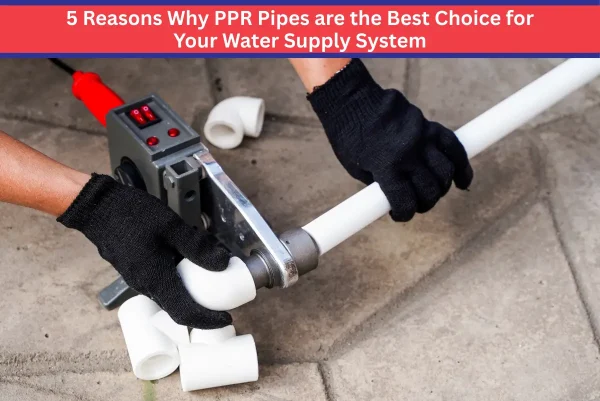
Why PPR Pipes Are Revolutionizing Modern Plumbing
Imagine turning on your faucet only to get discolored water, or perhaps finding a damp spot on your ceiling from a hidden leak. Old pipes made of traditional materials like copper or galvanized steel often cause these problems. They can rust, corrode, or clog up with minerals over time. These issues lead to annoying repairs, wasted water, and even health worries.
That’s where Polypropylene Random Copolymer, or PPR pipes, come in. These modern pipes offer a fresh, long-lasting fix for many plumbing problems. They are quickly becoming a top choice for homes and businesses around the world. PPR pipes bring many core benefits that truly set them apart from older options.
This article will show you the main benefits of PPR pipes. We will explore why they are fundamentally changing how we build and maintain plumbing systems.
The Traditional Plumbing Landscape: Challenges and Limitations
The Reign of Metal and PVC
For many years, metal and PVC ruled the plumbing world. Copper, galvanized steel, and PVC were common choices. While they served their purpose, these materials came with notable drawbacks. Understanding these issues helps us see why new solutions like PPR were needed.
Corrosion and Contamination Concerns with Metal Pipes
Metal pipes, especially older ones, face big problems. Rust is a common enemy of galvanized steel, slowly eating away at the pipe walls. This rust can get into your drinking water, changing its taste and color. Lead leaching is another serious risk with very old pipes, posing major health hazards.
Iron contamination can also happen, making water unsuitable for many uses. These issues lead to billions of dollars in infrastructure replacement costs each year. Such problems highlight the need for safer, more durable materials.
Brittleness and Environmental Impact of PVC
PVC pipes, while cheaper than metal, have their own set of challenges. They can become brittle over time, especially when exposed to direct sunlight or extreme temperatures. This brittleness makes them prone to cracking and breaking. Think about older PVC lines that have failed in harsh climates, causing unexpected water damage.
Their production and disposal also raise environmental concerns. Chemicals used in making PVC can impact ecosystems. Finding an eco-friendlier option became a major goal for many in the construction industry.
The Cost of Inefficiency and Maintenance
Old plumbing systems often become money pits. They require ongoing attention and frequent fixes. This adds a lot to a building’s overall running costs.
Frequent Repairs and Replacements
Leaks, blockages, and bursts are common with traditional pipes. Fixing these problems means constant spending on plumbers and new parts. Mineral buildup inside metal pipes also slows water flow and can cause expensive clogs. These recurring costs truly add up over the years.
Energy Loss Through Poor Insulation
Metal pipes are not great at keeping heat in. Hot water running through copper lines loses warmth quickly, especially in unheated spaces. This heat loss forces your water heater to work harder. The result? Higher energy bills for heating water, which costs you money every single day.
Introducing PPR Pipes: The Modern Plumbing Revolution
Understanding PPR: Properties and Composition
PPR pipes offer a clear step forward in plumbing technology. Their unique material science gives them powerful advantages over old materials. What makes them so special? It starts with their core makeup.
What is Polypropylene Random Copolymer?
PPR stands for Polypropylene Random Copolymer. This means different polypropylene types are randomly linked together. This special mix makes the material very flexible, yet incredibly strong. It also gives PPR excellent chemical resistance. This “random copolymer” aspect is key to its great performance.
Key Material Advantages
PPR pipes have many top-tier features. They handle high temperatures very well, perfect for hot water systems. They are also incredibly inert to chemicals, meaning they won’t react with most liquids. PPR resists UV light damage, unlike PVC, and stands up to wear and tear. These pipes don’t corrode, rust, or scale up, keeping your water pure.
Unpacking the Superior Performance of PPR
Homeowners and plumbers see the benefits of PPR every day. These pipes simply perform better in many important ways. They offer peace of mind and long-lasting value.
Unmatched Durability and Longevity
PPR pipes are built to last a very long time. You can expect them to perform well for 50 years or even more. This is a much longer lifespan compared to many traditional pipe materials. As one plumbing engineer put it, “PPR’s molecular structure offers amazing resistance. We expect these systems to easily outlast older metal pipes.” This durability means fewer worries about future pipe failures.
Health and Water Quality Benefits
Your health is important, and PPR pipes help protect it. They are non-toxic, so no harmful chemicals can leach into your drinking water. Because PPR does not corrode, your water stays free of rust and metallic tastes. Their smooth inner walls prevent mineral buildup, also known as scaling. This ensures your water stays clean and flows freely.
Energy Efficiency and Heat Retention
PPR pipes are natural insulators. They do a great job of keeping hot water hot as it travels through your system. This means less heat escapes from the pipes. Your water heater doesn’t need to work as hard, which directly translates to lower energy use and cheaper utility bills.
The Installation and Application Advantages of PPR
Simplified and Secure Installation Process
PPR pipes make a plumber’s job easier and faster. This also means less hassle and quicker project completion for homeowners. Their installation method is both clever and very effective.
Fusion Welding Technology
PPR pipes connect using a special process called heat fusion. This method melts the pipe and fitting ends together, creating a single, solid piece. The result is an incredibly strong, leak-proof joint that won’t come apart. There’s no need for glues, solvents, or complicated threading like with metal pipes. Installers just need to ensure proper heating time for the best bond.
Flexibility and Ease of Handling
PPR pipes are somewhat flexible. This makes them easier to route around obstacles in walls and ceilings. Their flexibility often means fewer fittings and bends are needed in a system. This speeds up installation and also reduces potential leak points. Plumbers find them much simpler to work with compared to rigid metal pipes.
Versatile Applications Across Different Systems
PPR pipes are not just for one type of use. Their great properties allow them to work well in many different systems. This versatility makes them a top choice for modern building projects.
Potable Water Supply (Hot and Cold)
Because PPR is non-toxic and doesn’t corrode, it is perfect for drinking water lines. It’s safe for both hot and cold water supply in homes, offices, and even hospitals. You can trust the water coming through PPR pipes.
Heating and Cooling Systems
PPR’s ability to handle high temperatures and retain heat makes it great for heating systems. It’s often used in central heating, radiant floor heating, and even some chilled water air conditioning setups. Its consistent performance in these areas is a big plus.
Industrial and Chemical Transport
Beyond homes, PPR pipes also find uses in industry. They resist many chemicals, making them suitable for transporting various industrial fluids. High-rise residential buildings and large commercial centers often use PPR for their water distribution systems due to its reliability.
Economic and Environmental Considerations
Long-Term Cost Savings
Choosing PPR pipes is a smart financial move over the life of a building. The initial investment pays off in many ways down the road. You save money through lower installation costs and reduced future bills.
Reduced Installation Labor Costs
The simple heat fusion process and the flexibility of PPR pipes cut down on installation time. This directly leads to lower labor costs for plumbers. Fewer fittings are needed, and the work goes faster, saving you money from the start.
Minimal Maintenance and Repair Expenses
Once installed, PPR systems are largely trouble-free. Their resistance to leaks, corrosion, and scaling means you won’t face constant repair bills. This significantly lowers your ongoing maintenance budget. Your plumbing system just works, quietly and efficiently.
Lower Energy Bills
Because PPR pipes keep hot water hot, your water heater uses less energy. This can lead to noticeable savings on your utility bills each month. Every degree of heat saved is money in your pocket, making PPR a truly efficient choice.
A Sustainable Plumbing Choice
In today’s world, everyone cares about protecting the planet. PPR pipes offer an environmentally friendly option for your plumbing needs. They stand out as a responsible choice for modern construction.
Recyclability and Lower Environmental Footprint
PPR is a thermoplastic, which means it can be recycled. Its production process is often more energy-efficient than that for some traditional metal pipes. Choosing PPR helps reduce the overall environmental impact of building materials. It’s a greener choice for your home or project.
Extended Lifespan Reduces Waste
The extreme durability of PPR pipes means they don’t need frequent replacement. A system that lasts 50 years or more creates much less waste over time. This long lifespan helps keep old pipes out of landfills, making PPR a more sustainable option for the long run.
Conclusion
PPR pipes truly offer a big step forward in plumbing. They bring amazing durability, ensuring your system lasts for decades. Your water stays clean and healthy thanks to their non-corrosive nature. These pipes also boost energy efficiency, saving you money on utility bills. Plus, their easy installation and sustainable qualities make them an all-around smart choice.
These combined advantages are indeed changing how we think about modern plumbing. They offer a reliable, cost-effective, and environmentally friendly solution. Consider PPR pipes for your next plumbing project. Discuss them with your plumber to make a forward-thinking investment in your home or building.
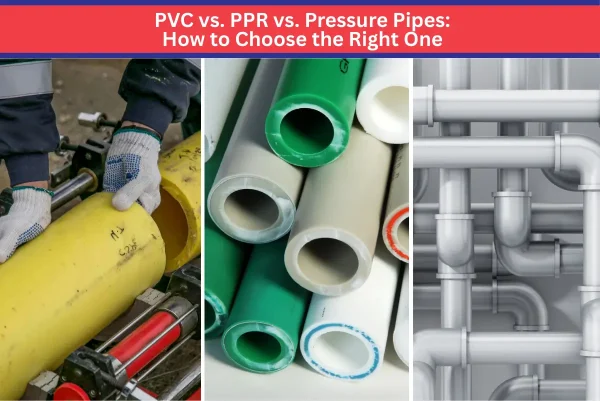
PVC vs. PPR vs. Pressure Pipes: How to Choose the Right One
Piping systems are the secret heroes of many places. They move water, gas, and even chemicals in homes, offices, and big factories. But picking the right pipe can feel tough, like finding your way through a maze. It’s a big choice that affects how well everything runs.
When you look at pipe options, three types often come up: PVC, PPR, and what we call “pressure pipes.” Each one brings something different to the table. Some are good for simple jobs, others for hot water, and some can handle a lot of pressure. Knowing their unique traits helps you decide.
This guide will break down PVC, PPR, and those tough pressure pipes. We will show you what each is best for. By the end, you will know how to pick the perfect pipe. This choice means your project stays safe, lasts a long time, and doesn’t cost too much down the road.
Understanding PVC: The Versatile Standard
What is PVC? Properties and Characteristics
Polyvinyl Chloride, or PVC, is a common plastic material. It’s used a lot for pipes. Making PVC involves changing simple vinyl chloride units into a long chain. This process creates a stiff, strong plastic. You often see it in white or gray colors.
PVC pipes come in different strengths, like Schedule 40 or Schedule 80. Schedule 80 pipe is thicker and stronger than Schedule 40. PVC can handle many chemicals without breaking down. But it has limits for heat and pressure. It works best in cooler settings, typically below 140°F (60°C). It also resists rust, which is a big plus.
PVC in Action: Common Applications and Limitations
You see PVC pipes everywhere. They are a go-to for residential drainage, waste, and vent (DWV) systems. Think about the pipes that carry dirty water away from your sinks and toilets. PVC is perfect for these jobs. It also forms the backbone of many outdoor irrigation systems. Farmers and gardeners use it a lot.
Some special types of PVC even move chemicals in industrial settings. It’s also a popular choice for electrical conduit, protecting wires underground or in walls. However, PVC isn’t great for all tasks. Strong sunlight can make it brittle over time. And it definitely isn’t for hot water lines, as high temperatures can weaken it fast.
Advantages and Disadvantages of PVC
PVC pipes offer several good points. They are usually cheap to buy and simple to put together, often just needing glue. This makes them widely available. Their light weight makes shipping and handling easier. Plus, they resist many harsh chemicals, which is helpful.
But PVC also has its downsides. It cannot handle really high temperatures or pressures well. Over time, sunlight can make it break easily. Some people also worry about its environmental impact, both from how it’s made and how it’s thrown away. This is something to keep in mind.
Exploring PPR: The Modern Alternative for Hot and Cold Water
What is PPR? The Polypropylene Revolution
PPR stands for Polypropylene Random Copolymer. This is a type of plastic pipe developed for modern plumbing. Its unique composition makes it different from PVC. PPR is made through a process that creates a special type of polypropylene. This material is designed to handle more than just cold water.
PPR pipes are known for their flexibility and strong heat resistance. They are also chemically inert, meaning they don’t react with the water or other fluids they carry. This makes them very safe for drinking water. Installation uses fusion welding, where the pipes and fittings melt together. This creates a single, leak-proof system.
PPR’s Strengths: Potable Water and Beyond
PPR pipes shine in systems needing both hot and cold water. Many homes and buildings use them for drinking water supply. This is because PPR does not leach harmful substances into the water. It also helps keep water clean and healthy. Imagine a quiet plumbing system; PPR can help with that, too. It cuts down on water flow noise more than some other pipe types.
Beyond homes, PPR works well in central heating systems. It can stand up to the warmer temperatures required for radiators or underfloor heating. Industries also use PPR for transporting certain chemicals where heat resistance and chemical purity are key. It’s a versatile choice for modern fluid transport.
PPR vs. PVC: A Direct Comparison
When you compare PPR and PVC, big differences stand out. PPR handles hot water very well, while PVC does not. This is a main reason why PPR is often chosen for home water supply. Both have specific pressure ratings, but PPR is generally favored for pressurized hot water lines.
Installing PPR involves heat fusion, making strong, seamless connections. PVC uses solvent cement. This can be quicker for some, but fusion welding makes a more uniform pipe system. PPR pipes also tend to last longer in systems with fluctuating temperatures. Initial PPR material costs can be higher, but its durability and lower leak risk might save money over time.
Understanding Pressure Pipes: High-Performance Solutions
Defining “Pressure Pipes”: What They Are and Why They Matter
When we talk about “pressure pipes,” we’re often looking beyond common PVC or PPR. This term usually covers stronger materials. These include metals like steel and copper, or special composite pipes. These materials are built to withstand much higher internal pressures. They are very different from the plastic pipes used for simple drainage.
The ability to handle high pressure is critical for these pipes. Engineers design them with specific pressure ratings and safety factors. These pipes meet strict standards and certifications. This ensures they can perform under stress without failing. Their strength is vital for many important systems.
Key Types of Pressure Pipes and Their Applications
Many types of pipes fit into the pressure pipe category. Ductile iron pipes are tough and often used for big water mains or sewage force mains. Steel pipes are common in industrial settings. They carry high-pressure gas, oil, or are part of fire suppression systems.
Copper pipes are a trusted choice for potable water lines, HVAC, and refrigeration systems. They resist corrosion and germs. PEX (Cross-linked Polyethylene) is another plastic, but it’s cross-linked for extra strength and flexibility. It works well for drinking water and radiant heating. New composite pipes are also showing up, blending materials for unique high-pressure needs.
When to Specify Pressure Pipes: Critical Considerations
Choosing pressure pipes becomes necessary under certain conditions. They are a must for moving fluids or gases at very high pressures. Think about industrial lines or municipal water supply. These pipes also stand up to extreme heat or cold. This makes them ideal for places with tough temperatures.
Projects that need super strong pipes, like those in earthquake zones, also benefit. Pressure pipes offer high structural integrity and can take impacts. Your project might also have strict rules or industry standards. These might demand specific high-performance pipe materials. They also last a long time, even when facing external forces.
Making the Right Choice: A Decision-Making Framework
Assessing Your Project Needs: Key Questions to Ask
Choosing the right pipe is a critical decision for your project. Asking a few key questions can guide you to the best material. First, what fluid will flow through the pipes? Water, gas, or harsh chemicals each need different pipe types. Also, what temperatures will the pipes see? Both the fluid temperature and the outside environment matter.
Next, how much pressure must the system handle? Knowing the peak and average pressure is vital. How long do you expect the system to last? Some materials offer longer lifespans. Are there any special outdoor issues, like sun exposure or tough soil? Your budget is also a factor, considering both the pipe cost and installation. Finally, check local building codes and regulations; they often dictate what pipes you can use.
Comparative Performance: A Quick Reference Table
| Feature | PVC | PPR | Pressure Pipe (e.g., PEX/Copper) |
|---|---|---|---|
| Temperature Range | Cold water (up to 140°F / 60°C) | Hot and cold water (up to 200°F / 93°C) | Hot and cold water, high temps (Copper: 400°F+) |
| Pressure Handling | Good for drainage, lower pressure applications | Good for potable water, moderate pressure | Excellent for high-pressure systems |
| Chemical Resistance | Good against many chemicals | Excellent, inert, safe for potable water | Good, depends on material (Copper: excellent) |
| Cost | Low | Medium | High (especially initial material costs) |
| Installation | Easy (solvent cement), DIY-friendly | Medium (heat fusion required) | Medium to complex (soldering, crimping, specialized) |
| Durability | Long-lasting in suitable uses, can get brittle | Very durable, long lifespan for water systems | Very durable, long lifespan, impact resistant |
| Primary Use | DWV, irrigation, electrical conduit | Potable hot/cold water, central heating | High-pressure water, gas, industrial fluids |
Expert Insights and Best Practices
Always think about safety first. For any complex plumbing or piping job, talking with a licensed plumber or engineer is a smart move. They understand all the tiny details of your project. They can help you pick the very best material. Also, remember that proper installation is key for any pipe. Even the best pipe material will fail if not put in correctly.
Industry standards, like those from ASTM for PVC and PPR, or ASME for many pressure pipes, exist for a reason. These standards make sure pipes meet certain quality and performance levels. Following these standards ensures a reliable system. Do not forget to get all needed permits before you start work.
Conclusion: Ensuring System Integrity with the Right Material
Choosing the correct piping material is a big decision for any project. We have seen that PVC, PPR, and specialized pressure pipes each have their unique strengths. They all play different but important roles in plumbing and industrial systems. Getting this choice right means you build a system that works well for years.
Remember, PVC is often the best choice for drainage, waste, and vent lines, as well as simple cold-water irrigation. PPR excels in modern hot and cold potable water systems and heating applications, thanks to its heat resistance and purity. For high-demand situations, extreme temperatures, or intense pressures, pressure pipes like PEX or copper are the go-to solutions.
Using this guide, you can make a smart, informed decision. Picking the right pipe prevents expensive fixes later. It ensures your system is safe, reliable, and performs its best. Now, you have the knowledge to select the ideal piping material for your next project.