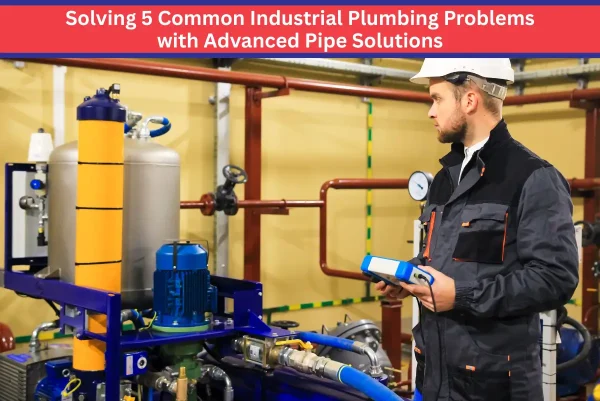







Industrial plumbing systems are the lifeblood of any facility. They keep everything running smoothly, from moving raw materials to managing waste. When these systems fail, it costs big money. We see production stops, safety risks, and huge repair bills.
The good news is that we have modern ways to fix these issues. These “advanced pipe solutions” are changing how industries handle common plumbing headaches. They offer stronger, longer-lasting fixes than old-school methods. This article will show you five big problems and how new pipe tech solves them.
Our goal here is to dig into five common industrial plumbing challenges. We want to show how smart pipe technologies and new ways of doing things provide tough, long-term answers. This helps keep your operations humming.
1. Corrosion and Material Degradation
Understanding the Scope of Corrosion in Industrial Settings
Corrosion slowly eats away at pipes in many industrial places. It can be electrochemical, where different metals react. We also see galvanic corrosion, often caused by certain fluid types. Microbiologically influenced corrosion, or MIC, happens when tiny organisms attack pipe materials. These issues speed up pipe decay. Carbon steel and cast iron pipes are often the first ones to show signs of trouble.
Advanced Materials for Corrosion Resistance
New materials offer much better protection against rust and wear. Stainless steel alloys fight off many corrosive chemicals. High-density polyethylene (HDPE) pipes are super resistant to chemicals and don’t rust. Polyvinylidene fluoride (PVDF) stands up to very harsh substances and high heat. Composite pipes mix materials to get the best of both worlds. They last longer because they naturally resist breakdown.
- Actionable Tip: Always check if pipe materials are right for your specific chemicals and environment. This simple step stops big problems later.
Protective Coatings and Linings
You can add special layers to pipes to boost their life. Epoxy, polyurethane, and ceramic coatings create a tough shield. Linings made from rubber or PTFE (Teflon) also work well. These layers protect pipes, even in very aggressive settings. They help existing pipes last much longer.
In the chemical processing world, for instance, advanced coatings cut down on big maintenance costs. This is all thanks to less corrosion. The same goes for wastewater treatment plants.
2. Leaks and Joint Failures
The High Cost of Industrial Leaks
Leaks in industrial settings are a drain on resources. They mean lost product, which directly hits your bottom line. Environmental harm is another big worry, alongside safety risks for workers. Plus, leaks make your utility bills jump. Roughly 10-15% of all treated water in industrial systems is lost due to leaks.
Advanced Joining Technologies
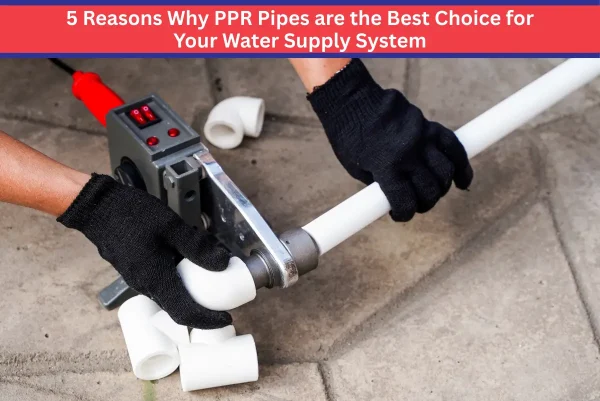
Modern ways of joining pipes create much stronger, tighter seals. Fusion welding, used for plastic pipes like HDPE, literally melts pipe ends together. This creates one solid piece. Metal pipes use new gasket and sealing tech that hold up better. Mechanical jointing systems are made to handle high pressure and lots of shaking. They keep things sealed where older methods fail.
Leak Detection and Prevention Strategies
Finding leaks fast saves a lot of trouble. Acoustic sensors listen for tiny drips and hisses. Thermal imaging spots temperature changes that signal escaping fluids. Tracer gas methods use safe gas to pinpoint hidden leaks. We also use regular checks to catch issues early. These proactive steps stop small leaks from becoming huge problems.
- Actionable Tip: Put regular, planned inspections in place. Use advanced non-destructive testing (NDT) methods to spot problems without harming your pipes.
3. Clogging and Flow Restriction
Causes of Blockages in Industrial Pipelines
Many things can block industrial pipes. Scale buildup, like hard water deposits, is a common culprit. Sediment, grease, and other debris also cause issues. Sometimes, byproducts from your process stick to pipe walls. When flow slows down, it wastes energy and cuts into production efficiency. Blockages can boost energy use for pumping by up to 20%.
Hydro-Jetting and Advanced Cleaning Techniques
High-pressure hydro-jetting blasts away stubborn blockages and scale. It uses powerful water streams to clean pipes without damaging them. This is a very effective way to clear pipes. Other advanced cleaning methods, such as robots that scrub the inside of pipes, also help. They can reach hard spots and remove tough buildup.
Smooth-Bore Pipe Materials and Design
Pipes with super smooth inner surfaces stop gunk from sticking. Certain plastics or coated metals are great for this. They naturally fight off scale and debris. This means fewer clogs later on. Designing pipes with the right size and layout also helps. It keeps liquids moving freely and cuts down on bottlenecks.
- Actionable Tip: When you plan new systems or upgrade old ones, double-check pipe sizes and how fast liquids will move. This helps avoid flow issues from the start.
4. Vibration and Noise Issues
The Impact of Vibration on Industrial Piping
Operational vibrations can really mess with your pipes. Constant shaking leads to pipe fatigue, making materials weak. It increases the chance of leaks, too. Lots of noise from vibrating pipes is bad for workers. It can also harm sensitive equipment nearby. This makes a quiet, stable workspace very important.
Vibration Dampening and Isolation Solutions
There are smart ways to control pipe vibrations. Flexible connectors absorb movement. Vibration isolation mounts and spring hangers lift pipes, stopping shaking from spreading. Acoustic insulation materials wrap around pipes to soak up noise and vibration. These parts make industrial systems much calmer.
Pipe Material Selection for Noise Reduction
Some pipe materials help keep things quiet. Certain plastics or pipes with rubberized linings naturally soak up sound. This means less noise travels through the system. “Controlling vibration is key for both safety and long equipment life,” states one piping expert. Choosing the right material really helps.
5. Extreme Temperature and Pressure Challenges
Handling Thermal Expansion and Contraction
Big changes in temperature put a lot of strain on piping. Pipes expand when hot and shrink when cold. This movement can stress joints. It might even make pipes buckle or components fail. You need systems that can handle these shifts safely.
Advanced Expansion Joints and Support Systems
Special parts are made to deal with thermal movement. Bellows expansion joints stretch and compress with the pipe. U-bends in pipe runs allow for natural expansion. Specialized pipe supports let pipes move freely while still holding them in place. These solutions keep pipes safe during temperature swings.
High-Pressure Pipe Design and Materials
Pipes used for very high pressures need special care. They often use seamless pipes or reinforced composite materials. These are made to be extra strong. It’s super important to follow strict industry rules for pressure ratings. This makes sure pipes can handle the force without breaking.
- Actionable Tip: Always do regular pressure testing. Check the integrity of any high-pressure systems. This prevents dangerous blowouts.
Conclusion
Old plumbing methods simply do not keep up with today’s industrial needs. Advanced pipe solutions offer a much better way. New materials, smart joining methods, strong cleaning tech, and vibration control directly solve the five common industrial problems we discussed.
Investing in these new solutions pays off in a big way. You get less downtime and lower maintenance bills. Your facility becomes safer, and everything runs smoother. It’s time to look into these advanced options for your industrial needs.