






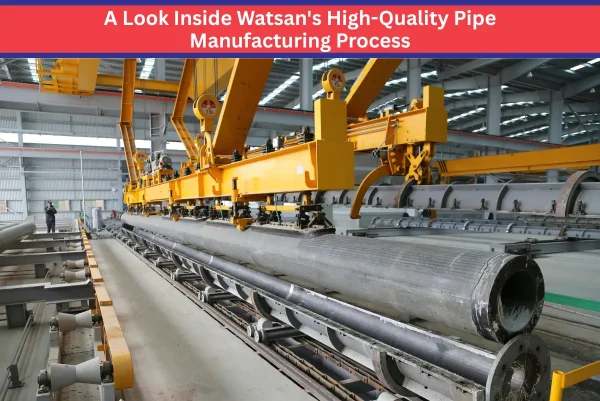
The pipe seems simple, but it is a vital part of many industries. It carries clean water to our homes and fuels manufacturing plants. Bad pipe quality means big problems and expensive fixes. Watsan leads the way in making pipes. This is not by luck. It comes from a careful and strict process. This process makes sure every pipe has amazing quality and lasts a long time. Here, we look closely at how Watsan works. We will show the new technologies, strict quality checks, and skilled work that make their pipes so good.
Knowing how pipes are made helps engineers and project managers. It is a process that needs perfect work. It demands good material science and a strong promise to be great at every step. Come with us to see what makes Watsan’s pipes special. We will follow the journey from picking raw materials to the final product. Every pipe meets or beats industry rules.
The Foundation of Quality: Raw Material Selection and Preparation
Watsan starts making good pipes long before any shaping begins. The first steps are very important. They set up the entire process for success. This focus on starting right helps Watsan make pipes that last.
Sourcing Premium Resins and Additives
Watsan checks suppliers with great care. This makes sure they buy only top-notch raw materials. They pick specific resins like PVC, HDPE, and PPR. Each resin brings special traits, like not reacting to chemicals, standing up to sun damage, or being flexible. Watsan makes sure these materials meet strict rules and hold important quality certificates. This check keeps bad stuff out of the pipe-making line.
Advanced Material Testing and Verification
Once materials arrive, they go straight to the lab. Here, Watsan runs many tests. They check how easily the plastic flows when melted. They also measure its weight and look at its chemical parts. These steps find any flaws early. This stops poor materials from ever becoming part of a Watsan pipe.
Precision Blending and Compounding
Watsan then mixes the resins with special additives. This mix is very exact. It gives the material the right traits for different pipe uses. For example, some pipes need to handle harsh chemicals. Others must bend without breaking. A smooth, even blend makes sure the whole pipe will be strong and consistent.
Cutting-Edge Extrusion Technology
The main way Watsan makes pipes is through extrusion. Here, Watsan uses the best machines. This helps them make pipes with great precision and the same high quality every time.
State-of-the-Art Extrusion Lines
Watsan uses modern extruders, some with one screw, others with two. These machines melt plastic pellets and push them into pipe shapes. Watsan buys the newest equipment. This means they make more pipes faster. It also helps control how the plastic melts, leading to pipes with very even walls.
Die Design and Calibration for Dimensional Accuracy
The extrusion die is key to a pipe’s shape. Watsan uses smart die designs. They also have careful systems to make sure the die is set up just right. This uses tools like vacuum sizing. It helps them get the exact diameter, wall thickness, and roundness needed for each pipe. Even a tiny bit off can cause problems.
In-Line Quality Monitoring Systems
During pipe making, Watsan watches everything closely. Automated sensors constantly check the pipe. Lasers measure diameter and wall thickness. Ultrasonic tools look inside the pipe for any hidden issues. This constant checking finds problems right away, keeping quality high.
Reinforcement and Strength: Advanced Manufacturing Techniques
Watsan uses special ways to make pipes even stronger. This is for jobs where pipes need to handle a lot of stress. These methods help pipes work better and last longer.
For Pipes Requiring Enhanced Strength
Some pipes need to be extra strong, like those for high pressure or big structures. Watsan uses co-extrusion for these. This process adds layers, maybe a barrier against chemicals or a color for easy finding. They might also add strong materials, such as glass fibers or steel wire, right into the pipe’s makeup. This boosts the pipe’s ability to resist breaking or bending under pressure.
Specialized Coating and Surface Treatments
Watsan also puts special coatings or finishes on pipes. These treatments help pipes fight rust or wear from rubbing. They can also make the inside of a pipe smoother, so liquids flow better. For pipes buried underground or those facing harsh chemicals, these extra layers are very important. They add years to a pipe’s life.
Uncompromising Quality Control and Testing
Watsan promises great quality. They show this with very strict testing. These tests happen at every stage of making a pipe and on the finished product too.
Dimensional and Visual Inspections
Workers regularly check pipes for their straightness. They also look at the outside for any flaws. This includes searching for scratches, bumps, or layers coming apart. Making sure a pipe looks perfect and has the right size is a basic quality step.
Mechanical Property Testing
Finished pipes go through tough mechanical tests. Watsan pushes water into pipes to test how much pressure they can take before bursting. They also check how much a pipe can stretch or how well it can handle a hard hit. Ring stiffness tests measure how much a pipe resists being crushed. All these tests follow big industry rules like ASTM, ISO, and EN.
Chemical and Environmental Resistance Testing
Pipes must work well in different places. Watsan tests pipes to see if they can handle chemicals. They also check if sun rays will damage them or if soil will crack them. These tests ensure the pipes stand up to real-world conditions.
Traceability and Batch Control
Every Watsan pipe has a special mark. This mark lets them trace the pipe back to its starting materials and when it was made. This system is key. It helps Watsan find and fix any issues quickly. It also allows them to know exactly where every part came from.
Innovation and Sustainability in Pipe Manufacturing
Watsan always looks for better ways to make pipes. They also work hard to protect the planet. This focus helps them stay ahead in the industry.
Research and Development in Material Science
Watsan puts money into finding new materials for pipes. Their research aims to make pipes stronger, lighter, or even more earth-friendly. Sometimes, they team up with colleges and science groups to explore new ideas. This keeps their pipes at the top of the market.
Energy Efficiency in Production
Making pipes uses a lot of energy. Watsan tries to use less power during this process. They run machines in smart ways and reuse heat. They also handle materials with machines that save energy. These steps help the company be more efficient and green.
Waste Reduction and Recycling Initiatives
Watsan works to make less trash when making pipes. They have plans to recycle plastic scraps from their factory. If possible, they even use recycled stuff to make new pipes. This shows their strong care for the environment.
Conclusion: The Watsan Standard for Enduring Performance
Watsan makes great pipes because they care about every step. From choosing perfect raw materials to final tests, quality guides their work. They use smart machines and follow strict checks. This makes Watsan pipes known for being strong and lasting a long time.
Choosing Watsan pipes means you get dependable products for important projects. Their focus on new ideas and green practices makes them a smart choice. You can trust Watsan for pipes that perform well year after year.
Key Takeaways:
- Top-quality raw materials are picked and prepared carefully.
- Advanced extrusion techniques ensure precise pipe sizes.
- Extra steps make pipes stronger for tough jobs.
- Rigorous testing guarantees pipes meet high standards.
- Watsan invests in new ideas and helps the planet.