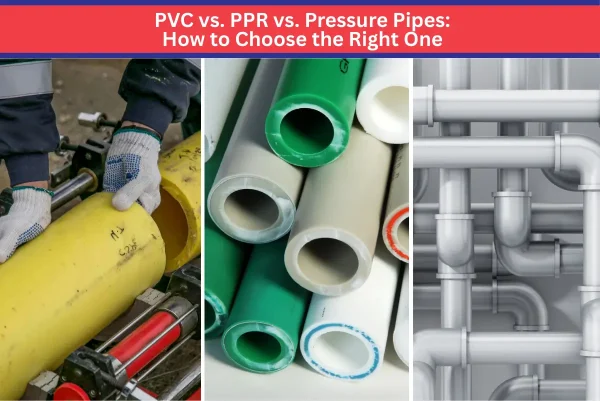






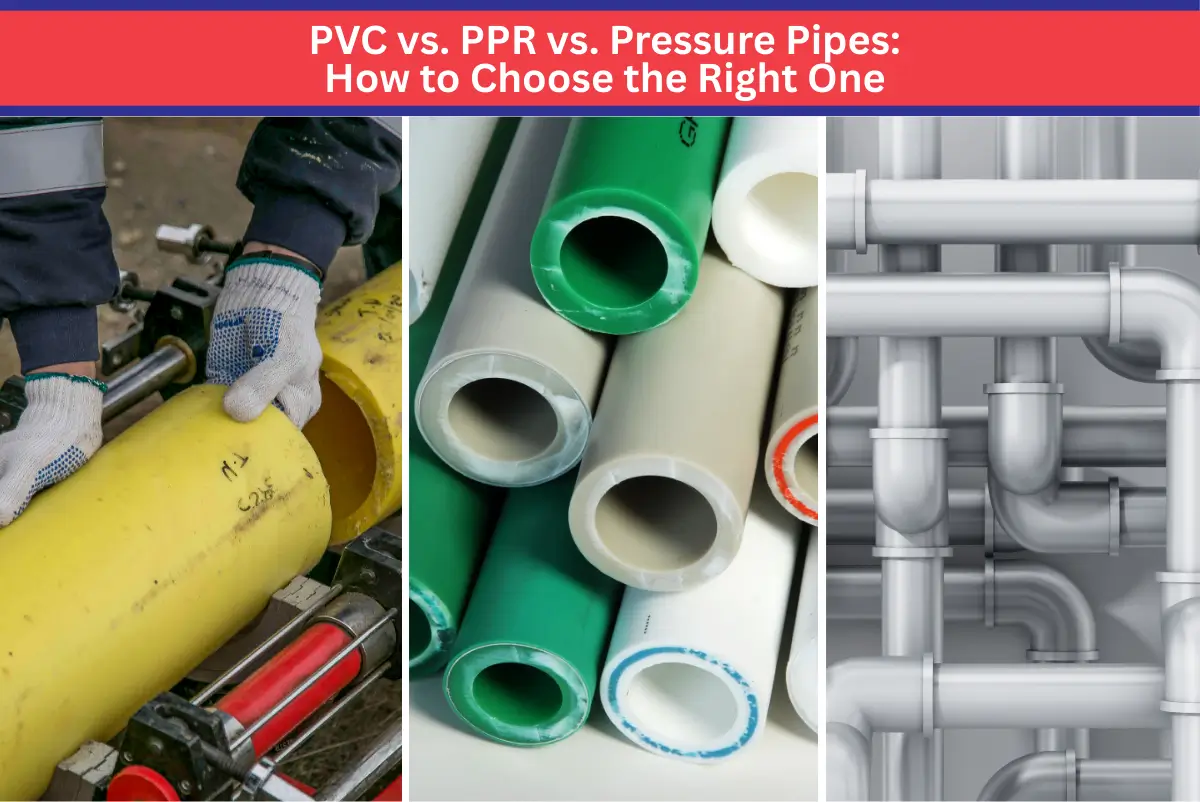
Piping systems are the secret heroes of many places. They move water, gas, and even chemicals in homes, offices, and big factories. But picking the right pipe can feel tough, like finding your way through a maze. It’s a big choice that affects how well everything runs.
When you look at pipe options, three types often come up: PVC, PPR, and what we call “pressure pipes.” Each one brings something different to the table. Some are good for simple jobs, others for hot water, and some can handle a lot of pressure. Knowing their unique traits helps you decide.
This guide will break down PVC, PPR, and those tough pressure pipes. We will show you what each is best for. By the end, you will know how to pick the perfect pipe. This choice means your project stays safe, lasts a long time, and doesn’t cost too much down the road.
Understanding PVC: The Versatile Standard
What is PVC? Properties and Characteristics
Polyvinyl Chloride, or PVC, is a common plastic material. It’s used a lot for pipes. Making PVC involves changing simple vinyl chloride units into a long chain. This process creates a stiff, strong plastic. You often see it in white or gray colors.
PVC pipes come in different strengths, like Schedule 40 or Schedule 80. Schedule 80 pipe is thicker and stronger than Schedule 40. PVC can handle many chemicals without breaking down. But it has limits for heat and pressure. It works best in cooler settings, typically below 140°F (60°C). It also resists rust, which is a big plus.
PVC in Action: Common Applications and Limitations
You see PVC pipes everywhere. They are a go-to for residential drainage, waste, and vent (DWV) systems. Think about the pipes that carry dirty water away from your sinks and toilets. PVC is perfect for these jobs. It also forms the backbone of many outdoor irrigation systems. Farmers and gardeners use it a lot.
Some special types of PVC even move chemicals in industrial settings. It’s also a popular choice for electrical conduit, protecting wires underground or in walls. However, PVC isn’t great for all tasks. Strong sunlight can make it brittle over time. And it definitely isn’t for hot water lines, as high temperatures can weaken it fast.
Advantages and Disadvantages of PVC
PVC pipes offer several good points. They are usually cheap to buy and simple to put together, often just needing glue. This makes them widely available. Their light weight makes shipping and handling easier. Plus, they resist many harsh chemicals, which is helpful.
But PVC also has its downsides. It cannot handle really high temperatures or pressures well. Over time, sunlight can make it break easily. Some people also worry about its environmental impact, both from how it’s made and how it’s thrown away. This is something to keep in mind.
Exploring PPR: The Modern Alternative for Hot and Cold Water
What is PPR? The Polypropylene Revolution
PPR stands for Polypropylene Random Copolymer. This is a type of plastic pipe developed for modern plumbing. Its unique composition makes it different from PVC. PPR is made through a process that creates a special type of polypropylene. This material is designed to handle more than just cold water.
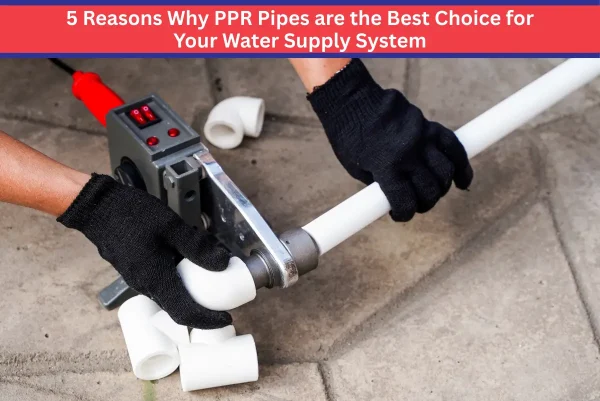
PPR pipes are known for their flexibility and strong heat resistance. They are also chemically inert, meaning they don’t react with the water or other fluids they carry. This makes them very safe for drinking water. Installation uses fusion welding, where the pipes and fittings melt together. This creates a single, leak-proof system.
PPR’s Strengths: Potable Water and Beyond
PPR pipes shine in systems needing both hot and cold water. Many homes and buildings use them for drinking water supply. This is because PPR does not leach harmful substances into the water. It also helps keep water clean and healthy. Imagine a quiet plumbing system; PPR can help with that, too. It cuts down on water flow noise more than some other pipe types.
Beyond homes, PPR works well in central heating systems. It can stand up to the warmer temperatures required for radiators or underfloor heating. Industries also use PPR for transporting certain chemicals where heat resistance and chemical purity are key. It’s a versatile choice for modern fluid transport.
PPR vs. PVC: A Direct Comparison
When you compare PPR and PVC, big differences stand out. PPR handles hot water very well, while PVC does not. This is a main reason why PPR is often chosen for home water supply. Both have specific pressure ratings, but PPR is generally favored for pressurized hot water lines.
Installing PPR involves heat fusion, making strong, seamless connections. PVC uses solvent cement. This can be quicker for some, but fusion welding makes a more uniform pipe system. PPR pipes also tend to last longer in systems with fluctuating temperatures. Initial PPR material costs can be higher, but its durability and lower leak risk might save money over time.
Understanding Pressure Pipes: High-Performance Solutions
Defining “Pressure Pipes”: What They Are and Why They Matter
When we talk about “pressure pipes,” we’re often looking beyond common PVC or PPR. This term usually covers stronger materials. These include metals like steel and copper, or special composite pipes. These materials are built to withstand much higher internal pressures. They are very different from the plastic pipes used for simple drainage.
The ability to handle high pressure is critical for these pipes. Engineers design them with specific pressure ratings and safety factors. These pipes meet strict standards and certifications. This ensures they can perform under stress without failing. Their strength is vital for many important systems.
Key Types of Pressure Pipes and Their Applications
Many types of pipes fit into the pressure pipe category. Ductile iron pipes are tough and often used for big water mains or sewage force mains. Steel pipes are common in industrial settings. They carry high-pressure gas, oil, or are part of fire suppression systems.
Copper pipes are a trusted choice for potable water lines, HVAC, and refrigeration systems. They resist corrosion and germs. PEX (Cross-linked Polyethylene) is another plastic, but it’s cross-linked for extra strength and flexibility. It works well for drinking water and radiant heating. New composite pipes are also showing up, blending materials for unique high-pressure needs.
When to Specify Pressure Pipes: Critical Considerations
Choosing pressure pipes becomes necessary under certain conditions. They are a must for moving fluids or gases at very high pressures. Think about industrial lines or municipal water supply. These pipes also stand up to extreme heat or cold. This makes them ideal for places with tough temperatures.
Projects that need super strong pipes, like those in earthquake zones, also benefit. Pressure pipes offer high structural integrity and can take impacts. Your project might also have strict rules or industry standards. These might demand specific high-performance pipe materials. They also last a long time, even when facing external forces.
Making the Right Choice: A Decision-Making Framework
Assessing Your Project Needs: Key Questions to Ask
Choosing the right pipe is a critical decision for your project. Asking a few key questions can guide you to the best material. First, what fluid will flow through the pipes? Water, gas, or harsh chemicals each need different pipe types. Also, what temperatures will the pipes see? Both the fluid temperature and the outside environment matter.
Next, how much pressure must the system handle? Knowing the peak and average pressure is vital. How long do you expect the system to last? Some materials offer longer lifespans. Are there any special outdoor issues, like sun exposure or tough soil? Your budget is also a factor, considering both the pipe cost and installation. Finally, check local building codes and regulations; they often dictate what pipes you can use.
Comparative Performance: A Quick Reference Table
| Feature | PVC | PPR | Pressure Pipe (e.g., PEX/Copper) |
|---|---|---|---|
| Temperature Range | Cold water (up to 140°F / 60°C) | Hot and cold water (up to 200°F / 93°C) | Hot and cold water, high temps (Copper: 400°F+) |
| Pressure Handling | Good for drainage, lower pressure applications | Good for potable water, moderate pressure | Excellent for high-pressure systems |
| Chemical Resistance | Good against many chemicals | Excellent, inert, safe for potable water | Good, depends on material (Copper: excellent) |
| Cost | Low | Medium | High (especially initial material costs) |
| Installation | Easy (solvent cement), DIY-friendly | Medium (heat fusion required) | Medium to complex (soldering, crimping, specialized) |
| Durability | Long-lasting in suitable uses, can get brittle | Very durable, long lifespan for water systems | Very durable, long lifespan, impact resistant |
| Primary Use | DWV, irrigation, electrical conduit | Potable hot/cold water, central heating | High-pressure water, gas, industrial fluids |
Expert Insights and Best Practices
Always think about safety first. For any complex plumbing or piping job, talking with a licensed plumber or engineer is a smart move. They understand all the tiny details of your project. They can help you pick the very best material. Also, remember that proper installation is key for any pipe. Even the best pipe material will fail if not put in correctly.
Industry standards, like those from ASTM for PVC and PPR, or ASME for many pressure pipes, exist for a reason. These standards make sure pipes meet certain quality and performance levels. Following these standards ensures a reliable system. Do not forget to get all needed permits before you start work.
Conclusion: Ensuring System Integrity with the Right Material
Choosing the correct piping material is a big decision for any project. We have seen that PVC, PPR, and specialized pressure pipes each have their unique strengths. They all play different but important roles in plumbing and industrial systems. Getting this choice right means you build a system that works well for years.
Remember, PVC is often the best choice for drainage, waste, and vent lines, as well as simple cold-water irrigation. PPR excels in modern hot and cold potable water systems and heating applications, thanks to its heat resistance and purity. For high-demand situations, extreme temperatures, or intense pressures, pressure pipes like PEX or copper are the go-to solutions.
Using this guide, you can make a smart, informed decision. Picking the right pipe prevents expensive fixes later. It ensures your system is safe, reliable, and performs its best. Now, you have the knowledge to select the ideal piping material for your next project.