Equal Elbow 90
| Code | Size | Code | Size |
|---|---|---|---|
| EE001 | 63mm | EE012 | 280mm |
| EE002 | 75mm | EE013 | 315mm |
| EE003 | 90mm | EE014 | 355mm |
| EE004 | 110mm | EE015 | 400mm |
| EE005 | 125mm | EE016 | 450mm |
| EE006 | 140mm | EE017 | 500mm |
| EL007 | 160mm | EL018 | 560mm |
| EE008 | 180mm | EE019 | 630mm |
| EE009 | 200mm | EE020 | 710mm |
| EE010 | 225mm | EE021 | 800mm |
| EE011 | 250mm |
Description
DISCOVER OUR PRODUCTION LINE
Click here to watch an exclusive video tour of our state-of-the-art production line and factory. See firsthand how our dedication to quality and innovation brings exceptional products to life.
Our Core Projects
Clients Love
Testimonial
Watsan Engineering has consistently delivered top-quality PVC pipes for our projects. Their commitment to durability and precision gives us the confidence to use their products in all our industrial installations.
Our Latest News
Makes and Models
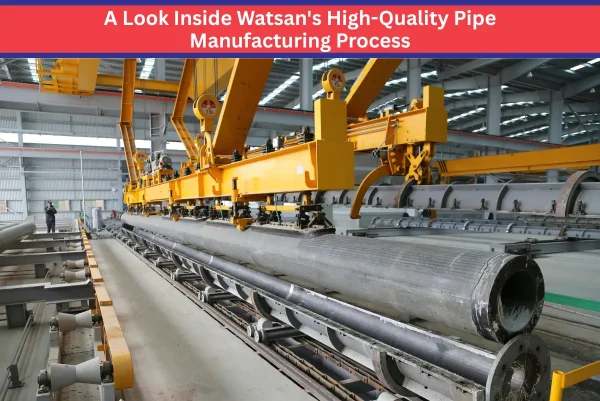
Engineering Excellence: A Look Inside Our Pipe Manufacturing Process
The pipe seems simple, but it is a vital part of many industries. It carries clean water to our homes and fuels manufacturing plants. Bad pipe quality means big problems and expensive fixes. Watsan leads the way in making pipes. This is not by luck. It comes from a careful and strict process. This process makes sure every pipe has amazing quality and lasts a long time. Here, we look closely at how Watsan works. We will show the new technologies, strict quality checks, and skilled work that make their pipes so good.
Knowing how pipes are made helps engineers and project managers. It is a process that needs perfect work. It demands good material science and a strong promise to be great at every step. Come with us to see what makes Watsan’s pipes special. We will follow the journey from picking raw materials to the final product. Every pipe meets or beats industry rules.
The Foundation of Quality: Raw Material Selection and Preparation
Watsan starts making good pipes long before any shaping begins. The first steps are very important. They set up the entire process for success. This focus on starting right helps Watsan make pipes that last.
Sourcing Premium Resins and Additives
Watsan checks suppliers with great care. This makes sure they buy only top-notch raw materials. They pick specific resins like PVC, HDPE, and PPR. Each resin brings special traits, like not reacting to chemicals, standing up to sun damage, or being flexible. Watsan makes sure these materials meet strict rules and hold important quality certificates. This check keeps bad stuff out of the pipe-making line.
Advanced Material Testing and Verification
Once materials arrive, they go straight to the lab. Here, Watsan runs many tests. They check how easily the plastic flows when melted. They also measure its weight and look at its chemical parts. These steps find any flaws early. This stops poor materials from ever becoming part of a Watsan pipe.
Precision Blending and Compounding
Watsan then mixes the resins with special additives. This mix is very exact. It gives the material the right traits for different pipe uses. For example, some pipes need to handle harsh chemicals. Others must bend without breaking. A smooth, even blend makes sure the whole pipe will be strong and consistent.
Cutting-Edge Extrusion Technology
The main way Watsan makes pipes is through extrusion. Here, Watsan uses the best machines. This helps them make pipes with great precision and the same high quality every time.
State-of-the-Art Extrusion Lines
Watsan uses modern extruders, some with one screw, others with two. These machines melt plastic pellets and push them into pipe shapes. Watsan buys the newest equipment. This means they make more pipes faster. It also helps control how the plastic melts, leading to pipes with very even walls.
Die Design and Calibration for Dimensional Accuracy
The extrusion die is key to a pipe’s shape. Watsan uses smart die designs. They also have careful systems to make sure the die is set up just right. This uses tools like vacuum sizing. It helps them get the exact diameter, wall thickness, and roundness needed for each pipe. Even a tiny bit off can cause problems.
In-Line Quality Monitoring Systems
During pipe making, Watsan watches everything closely. Automated sensors constantly check the pipe. Lasers measure diameter and wall thickness. Ultrasonic tools look inside the pipe for any hidden issues. This constant checking finds problems right away, keeping quality high.
Reinforcement and Strength: Advanced Manufacturing Techniques
Watsan uses special ways to make pipes even stronger. This is for jobs where pipes need to handle a lot of stress. These methods help pipes work better and last longer.
For Pipes Requiring Enhanced Strength
Some pipes need to be extra strong, like those for high pressure or big structures. Watsan uses co-extrusion for these. This process adds layers, maybe a barrier against chemicals or a color for easy finding. They might also add strong materials, such as glass fibers or steel wire, right into the pipe’s makeup. This boosts the pipe’s ability to resist breaking or bending under pressure.
Specialized Coating and Surface Treatments
Watsan also puts special coatings or finishes on pipes. These treatments help pipes fight rust or wear from rubbing. They can also make the inside of a pipe smoother, so liquids flow better. For pipes buried underground or those facing harsh chemicals, these extra layers are very important. They add years to a pipe’s life.
Uncompromising Quality Control and Testing
Watsan promises great quality. They show this with very strict testing. These tests happen at every stage of making a pipe and on the finished product too.
Dimensional and Visual Inspections
Workers regularly check pipes for their straightness. They also look at the outside for any flaws. This includes searching for scratches, bumps, or layers coming apart. Making sure a pipe looks perfect and has the right size is a basic quality step.
Mechanical Property Testing
Finished pipes go through tough mechanical tests. Watsan pushes water into pipes to test how much pressure they can take before bursting. They also check how much a pipe can stretch or how well it can handle a hard hit. Ring stiffness tests measure how much a pipe resists being crushed. All these tests follow big industry rules like ASTM, ISO, and EN.
Chemical and Environmental Resistance Testing
Pipes must work well in different places. Watsan tests pipes to see if they can handle chemicals. They also check if sun rays will damage them or if soil will crack them. These tests ensure the pipes stand up to real-world conditions.
Traceability and Batch Control
Every Watsan pipe has a special mark. This mark lets them trace the pipe back to its starting materials and when it was made. This system is key. It helps Watsan find and fix any issues quickly. It also allows them to know exactly where every part came from.
Innovation and Sustainability in Pipe Manufacturing
Watsan always looks for better ways to make pipes. They also work hard to protect the planet. This focus helps them stay ahead in the industry.
Research and Development in Material Science
Watsan puts money into finding new materials for pipes. Their research aims to make pipes stronger, lighter, or even more earth-friendly. Sometimes, they team up with colleges and science groups to explore new ideas. This keeps their pipes at the top of the market.
Energy Efficiency in Production
Making pipes uses a lot of energy. Watsan tries to use less power during this process. They run machines in smart ways and reuse heat. They also handle materials with machines that save energy. These steps help the company be more efficient and green.
Waste Reduction and Recycling Initiatives
Watsan works to make less trash when making pipes. They have plans to recycle plastic scraps from their factory. If possible, they even use recycled stuff to make new pipes. This shows their strong care for the environment.
Conclusion: The Watsan Standard for Enduring Performance
Watsan makes great pipes because they care about every step. From choosing perfect raw materials to final tests, quality guides their work. They use smart machines and follow strict checks. This makes Watsan pipes known for being strong and lasting a long time.
Choosing Watsan pipes means you get dependable products for important projects. Their focus on new ideas and green practices makes them a smart choice. You can trust Watsan for pipes that perform well year after year.
Key Takeaways:
- Top-quality raw materials are picked and prepared carefully.
- Advanced extrusion techniques ensure precise pipe sizes.
- Extra steps make pipes stronger for tough jobs.
- Rigorous testing guarantees pipes meet high standards.
- Watsan invests in new ideas and helps the planet.
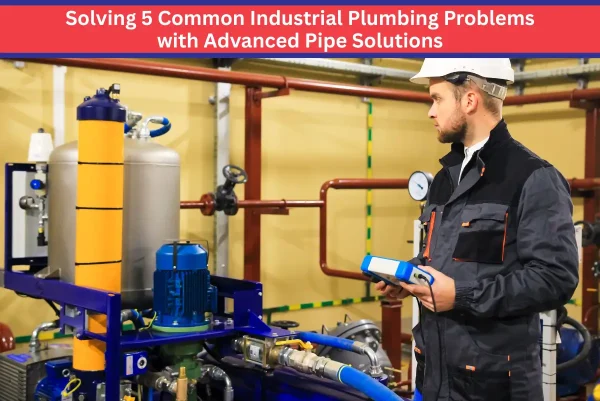
Solving 5 Common Industrial Plumbing Problems with Advanced Pipe Solutions
Industrial plumbing systems are the lifeblood of any facility. They keep everything running smoothly, from moving raw materials to managing waste. When these systems fail, it costs big money. We see production stops, safety risks, and huge repair bills.
The good news is that we have modern ways to fix these issues. These “advanced pipe solutions” are changing how industries handle common plumbing headaches. They offer stronger, longer-lasting fixes than old-school methods. This article will show you five big problems and how new pipe tech solves them.
Our goal here is to dig into five common industrial plumbing challenges. We want to show how smart pipe technologies and new ways of doing things provide tough, long-term answers. This helps keep your operations humming.
1. Corrosion and Material Degradation
Understanding the Scope of Corrosion in Industrial Settings
Corrosion slowly eats away at pipes in many industrial places. It can be electrochemical, where different metals react. We also see galvanic corrosion, often caused by certain fluid types. Microbiologically influenced corrosion, or MIC, happens when tiny organisms attack pipe materials. These issues speed up pipe decay. Carbon steel and cast iron pipes are often the first ones to show signs of trouble.
Advanced Materials for Corrosion Resistance
New materials offer much better protection against rust and wear. Stainless steel alloys fight off many corrosive chemicals. High-density polyethylene (HDPE) pipes are super resistant to chemicals and don’t rust. Polyvinylidene fluoride (PVDF) stands up to very harsh substances and high heat. Composite pipes mix materials to get the best of both worlds. They last longer because they naturally resist breakdown.
- Actionable Tip: Always check if pipe materials are right for your specific chemicals and environment. This simple step stops big problems later.
Protective Coatings and Linings
You can add special layers to pipes to boost their life. Epoxy, polyurethane, and ceramic coatings create a tough shield. Linings made from rubber or PTFE (Teflon) also work well. These layers protect pipes, even in very aggressive settings. They help existing pipes last much longer.
In the chemical processing world, for instance, advanced coatings cut down on big maintenance costs. This is all thanks to less corrosion. The same goes for wastewater treatment plants.
2. Leaks and Joint Failures
The High Cost of Industrial Leaks
Leaks in industrial settings are a drain on resources. They mean lost product, which directly hits your bottom line. Environmental harm is another big worry, alongside safety risks for workers. Plus, leaks make your utility bills jump. Roughly 10-15% of all treated water in industrial systems is lost due to leaks.
Advanced Joining Technologies
Modern ways of joining pipes create much stronger, tighter seals. Fusion welding, used for plastic pipes like HDPE, literally melts pipe ends together. This creates one solid piece. Metal pipes use new gasket and sealing tech that hold up better. Mechanical jointing systems are made to handle high pressure and lots of shaking. They keep things sealed where older methods fail.
Leak Detection and Prevention Strategies
Finding leaks fast saves a lot of trouble. Acoustic sensors listen for tiny drips and hisses. Thermal imaging spots temperature changes that signal escaping fluids. Tracer gas methods use safe gas to pinpoint hidden leaks. We also use regular checks to catch issues early. These proactive steps stop small leaks from becoming huge problems.
- Actionable Tip: Put regular, planned inspections in place. Use advanced non-destructive testing (NDT) methods to spot problems without harming your pipes.
3. Clogging and Flow Restriction
Causes of Blockages in Industrial Pipelines
Many things can block industrial pipes. Scale buildup, like hard water deposits, is a common culprit. Sediment, grease, and other debris also cause issues. Sometimes, byproducts from your process stick to pipe walls. When flow slows down, it wastes energy and cuts into production efficiency. Blockages can boost energy use for pumping by up to 20%.
Hydro-Jetting and Advanced Cleaning Techniques
High-pressure hydro-jetting blasts away stubborn blockages and scale. It uses powerful water streams to clean pipes without damaging them. This is a very effective way to clear pipes. Other advanced cleaning methods, such as robots that scrub the inside of pipes, also help. They can reach hard spots and remove tough buildup.
Smooth-Bore Pipe Materials and Design
Pipes with super smooth inner surfaces stop gunk from sticking. Certain plastics or coated metals are great for this. They naturally fight off scale and debris. This means fewer clogs later on. Designing pipes with the right size and layout also helps. It keeps liquids moving freely and cuts down on bottlenecks.
- Actionable Tip: When you plan new systems or upgrade old ones, double-check pipe sizes and how fast liquids will move. This helps avoid flow issues from the start.
4. Vibration and Noise Issues
The Impact of Vibration on Industrial Piping
Operational vibrations can really mess with your pipes. Constant shaking leads to pipe fatigue, making materials weak. It increases the chance of leaks, too. Lots of noise from vibrating pipes is bad for workers. It can also harm sensitive equipment nearby. This makes a quiet, stable workspace very important.
Vibration Dampening and Isolation Solutions
There are smart ways to control pipe vibrations. Flexible connectors absorb movement. Vibration isolation mounts and spring hangers lift pipes, stopping shaking from spreading. Acoustic insulation materials wrap around pipes to soak up noise and vibration. These parts make industrial systems much calmer.
Pipe Material Selection for Noise Reduction
Some pipe materials help keep things quiet. Certain plastics or pipes with rubberized linings naturally soak up sound. This means less noise travels through the system. “Controlling vibration is key for both safety and long equipment life,” states one piping expert. Choosing the right material really helps.
5. Extreme Temperature and Pressure Challenges
Handling Thermal Expansion and Contraction
Big changes in temperature put a lot of strain on piping. Pipes expand when hot and shrink when cold. This movement can stress joints. It might even make pipes buckle or components fail. You need systems that can handle these shifts safely.
Advanced Expansion Joints and Support Systems
Special parts are made to deal with thermal movement. Bellows expansion joints stretch and compress with the pipe. U-bends in pipe runs allow for natural expansion. Specialized pipe supports let pipes move freely while still holding them in place. These solutions keep pipes safe during temperature swings.
High-Pressure Pipe Design and Materials
Pipes used for very high pressures need special care. They often use seamless pipes or reinforced composite materials. These are made to be extra strong. It’s super important to follow strict industry rules for pressure ratings. This makes sure pipes can handle the force without breaking.
- Actionable Tip: Always do regular pressure testing. Check the integrity of any high-pressure systems. This prevents dangerous blowouts.
Conclusion
Old plumbing methods simply do not keep up with today’s industrial needs. Advanced pipe solutions offer a much better way. New materials, smart joining methods, strong cleaning tech, and vibration control directly solve the five common industrial problems we discussed.
Investing in these new solutions pays off in a big way. You get less downtime and lower maintenance bills. Your facility becomes safer, and everything runs smoother. It’s time to look into these advanced options for your industrial needs.
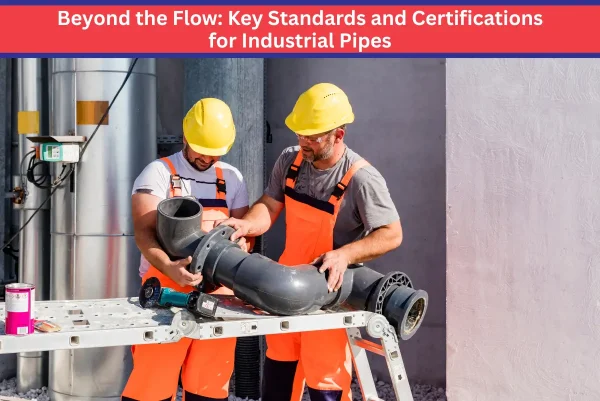
Beyond the Flow: Key Standards and Certifications for Industrial Pipes
Industrial pipes are the unsung heroes of countless sectors. They silently transport vital fluids, gases, and materials that power our modern world. From petrochemical refineries and food processing plants to water treatment facilities, the integrity of these piping systems is super important.
But, the huge job these pipes do calls for strict rules. These are not just annoying forms. They are the base for safety, good work, protecting the earth, and keeping products high quality. Ignoring these rules can cause big problems like fires, spills, and lots of money lost. This article looks at the main rules and papers for industrial pipes. It makes sure they work right and are safe, not just move stuff.
Section 1: Understanding the Landscape of Industrial Pipe Standards
Why Standards Matter: Safety, Performance, and Reliability
Adhering to specific industry standards for pipes is a must. These rules help everyone involved stay safe and ensure things run smoothly. Ignoring them brings many risks. Following them brings many benefits.
Preventing Catastrophic Failures and Ensuring Personnel Safety
Pipe failures can be very dangerous. They can lead to explosions, toxic leaks, or even structural collapses. These events put workers and the public at serious risk. For example, poor welds or weak materials cause many industrial accidents. Studies show that piping failures contribute to a significant portion of industrial incidents, sometimes over 20%. Standards make sure pipes are strong and built right to handle tough jobs, lowering these risks.
Guaranteeing Product Purity and Process Efficiency
Standards play a big role in what materials get used for pipes. This helps stop bad stuff from getting into products. Think about the food or medicine you use. For these items, purity is key. Standards prevent unwanted chemicals or bits from mixing in, keeping everything clean. They also help liquid flow smoothly, which makes factory lines run better and faster.
Meeting Regulatory and Legal Obligations
Not following pipe standards can get companies into deep trouble. They might face big fines, plant shutdowns, or even lawsuits. Government groups like the Environmental Protection Agency (EPA) or the American Society of Mechanical Engineers (ASME) stress that following the rules is not optional. It is a legal must. This protects companies from legal problems down the road.
Section 2: Key Standards Organizations and Their Impact
Global and Regional Standard Bodies Shaping the Industry
Many important groups create the rules for industrial pipes. These organizations make sure pipes are made well and work safely. Their guidelines are used around the globe.
ASME (American Society of Mechanical Engineers)
ASME sets many vital codes for pipes. For example, ASME B31.1 covers power piping, often seen in power plants. ASME B31.3 handles process piping, common in chemical factories. These codes give detailed rules on how to design, make, install, and test piping systems. They are widely used across North America and beyond.
API (American Petroleum Institute)
API is very important for the oil and gas business. API standards like API 5L tell us about line pipe, which moves oil and gas long distances. API 6D sets rules for pipeline valves. These standards help make sure pipes and parts in harsh oil fields are safe and dependable.
ASTM International (formerly American Society for Testing and Materials)
ASTM creates many material specifications. These are the basic recipes for the metals pipes are made from. ASTM A106, for instance, sets rules for seamless carbon steel pipe. ASTM A312 covers stainless steel pipe. These material standards are often the building blocks for ASME and API codes. They tell manufacturers exactly what their pipes should be made of.
ISO (International Organization for Standardization)
ISO standards are used everywhere. ISO 15156, for example, gives rules for materials used in places with H2S gas, which can be very corrosive. These global standards help ensure pipes made in one country will work safely in another. This makes trade and projects easier for everyone.
Section 3: Essential Certifications for Industrial Pipes
Beyond Standards: Verifying Compliance and Quality
Just having standards is not enough. You also need proof that a pipe meets those standards. Certifications are like official stamps of approval. They show a pipe was made right and checks out.
Material Certifications (Mill Test Reports – MTRs)
Mill Test Reports, or MTRs, are like a pipe’s birth certificate. They list the pipe’s chemical make-up and how strong it is. This report shows if the pipe meets ASTM or European (EN) standards. Always check these reports closely. They prove the metal is what it says it is and can do the job. Make sure every pipe you buy comes with one.
Manufacturer Certifications (ISO 9001, API Monogram)
Some certifications show a company makes good products all the time. ISO 9001 means a manufacturer has a solid system for quality control. The API Monogram shows a maker follows specific API product rules. For important jobs, like in oil rigs, many companies insist on pipes from API Monogram approved makers. These certifications mean the factory cares about quality.
Product Certifications (e.g., CE Marking, UL Listing)
Product certifications mean a specific pipe part meets certain safety rules. CE Marking is needed for products sold in Europe. It shows the product meets EU safety, health, and environmental rules. UL Listing means a product passed safety tests in the United States. These marks help you trust that a product will work safely in its intended use.
Section 4: Specialized Piping Standards and Their Applications
Navigating Niche Requirements for Diverse Industries
Different industries need different kinds of pipes. What works for water might not work for chemicals. Standards often get very specific to match these varied needs.
Standards for High-Temperature and High-Pressure Applications
Some pipes handle extreme heat and pressure, like in power plants or chemical plants. Standards like those in ASME B31.1 and B31.3 give special guidance here. They cover materials that won’t melt or burst under pressure. For example, a power plant might run steam at 1000°F and 2000 psi. These standards make sure the pipe can take it.
Standards for Corrosive Environments and Chemical Transport
Pipes carrying harsh chemicals need special care. Some chemicals can eat through regular metal. This is why standards tell us to use special metals, like stainless steels, nickel alloys, or titanium. They also guide us on special coatings. ASTM and ISO have many rules for chemical resistance. Chemical factories rely on these rules to stop leaks and keep workers safe.
Standards for Food, Beverage, and Pharmaceutical Piping
For food, drinks, and medicines, pipes must be super clean. Here, standards focus on “hygienic design,” like ASME BPE (Bioprocessing Equipment). These rules make sure pipes are smooth inside. This stops germs from hiding. They also demand special ways to track materials. This helps prevent contamination. The Food and Drug Administration (FDA) has strong guidelines for pipe surfaces to keep products pure.
Section 5: Procurement and Inspection Best Practices
Ensuring Compliance from Selection to Installation
Choosing the right pipes is just the start. You need to make sure they meet all the rules, from when you buy them to when they are put in place. This helps avoid big problems later.
Specifying the Right Standards and Certifications
When you order pipes, be very clear about what you need. Think about the project requirements. What will the pipe carry? How hot or cold will it be? How much pressure? List the exact ASME, API, ASTM, or ISO standards you want. Make sure you also ask for all the certifications you need. Getting this right from the start saves a lot of headaches.
Verifying Certifications and Documentation
Once pipes arrive, someone needs to check the paperwork. Look closely at the Mill Test Reports. Do the numbers match what you asked for? Check manufacturer certs like ISO 9001. Are they current? Make sure all products have the right markings, like CE or UL. Always have a clear way to review these papers. This helps catch mistakes before pipes are installed.
The Role of Third-Party Inspection
Sometimes, it is smart to have an outside expert check your pipes. These third-party inspectors do not work for you or the pipe maker. They just check if everything follows the rules. They can watch pipes being made and installed. This extra set of eyes helps make sure standards and codes are truly met. It gives everyone more peace of mind.
Conclusion
Adhering to industry standards and getting proper certifications for industrial pipes is not just a good idea; it’s a must. These rules protect everyone and everything involved. Following them makes sure factories run well, last longer, and do not harm the planet. By investing in the right standards and certifications, you safeguard your business, your people, and our shared environment.